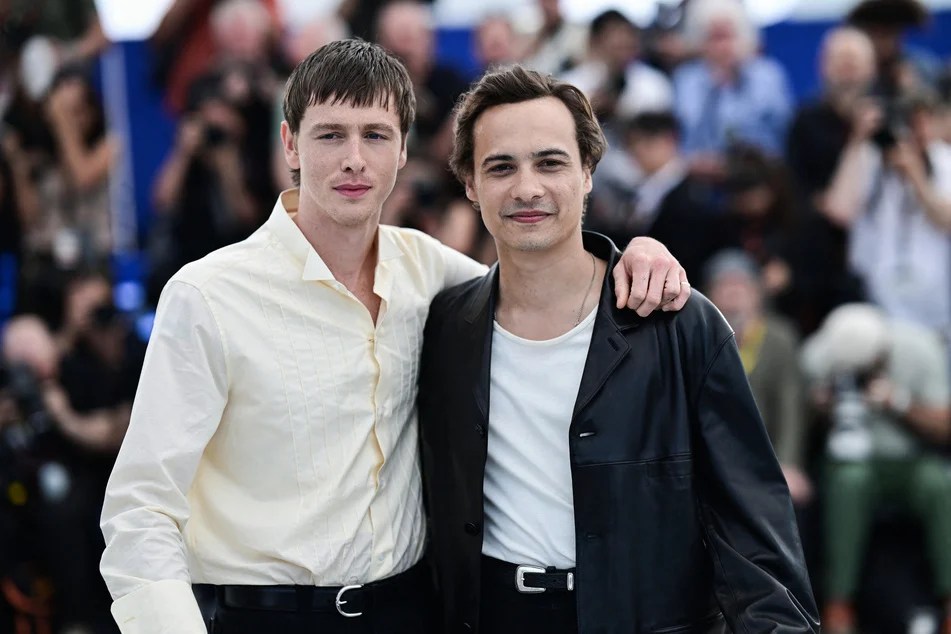
There’s something incredibly satisfying about watching an indie actor you’ve admired for years finally get their moment in the spotlight. That’s exactly how I’ve been feeling about Frank Dillane, whose magnetism and layered performances have captivated me since I first saw him in Fear the Walking Dead. Long before the Cannes buzz around his breakout role in Urchin, Frank was already delivering standout work—for those of us who were paying attention, he’s always had the X factor.
He’s one of those rare, genre-defying talents who doesn’t chase the spotlight, but somehow always commands it. Now, with Harris Dickinson’s directorial debut Urchin making waves at Cannes and Frank’s name suddenly on the lips of every critic and Oscar blogger, it feels like the world is finally catching up to what some of us have known for ages: Frank Dillane is the real deal.
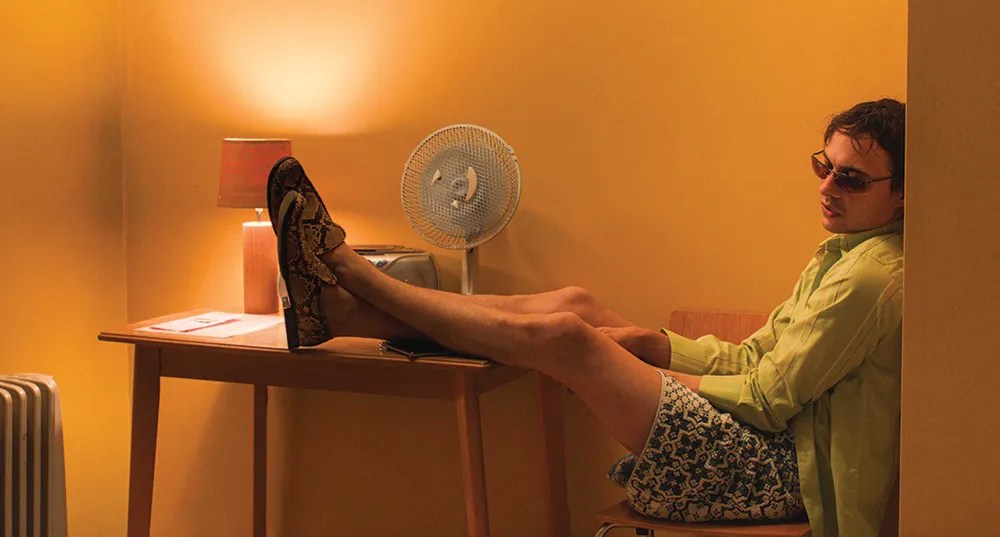
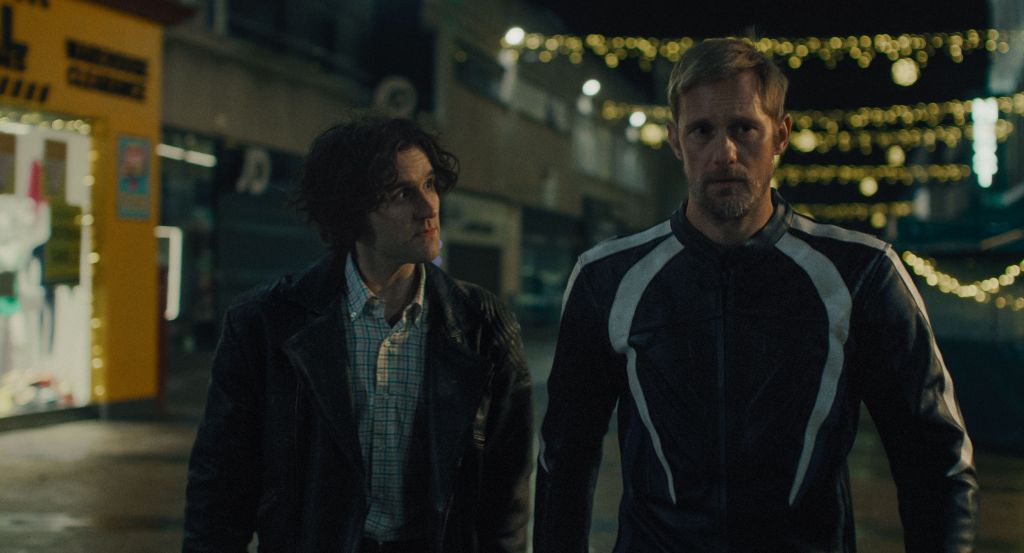
Urchin sounds like everything I want in a film: moody, raw and deeply human. Written and directed by Dickinson, the film follows Mike (Dillane), an unhoused Londoner struggling to break free from addiction and self-destructive behavior.
Blending gritty realism with surreal visuals, the film offers a compassionate and nuanced portrayal of addiction and societal marginalization. The Babygirl star has crafted something personal and bold, and Frank, according to early reviews, has absolutely delivered in a role that’s layered, complex and unforgettable.
It’s everything longtime fans have wanted for him. But part of me can’t help but feel like I’m watching my favorite indie band suddenly headline Glastonbury.

I loved being the one to introduce people to his work, always rooting for him to appear in something new, because he brings an unexpected energy to every role that makes you sit up and lock in.
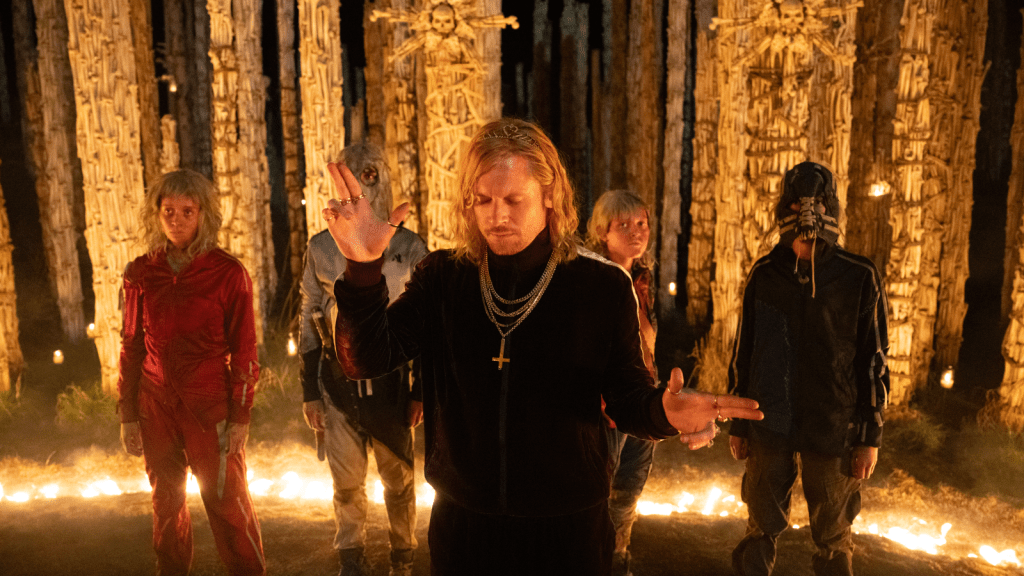
And you can trace Frank’s growth as an actor—from his breakout as young Tom Riddle in Half-Blood Prince, to supporting roles in offbeat indies like How to Build a Girl, to the grunge-drenched charisma he brought to Fear the Walking Dead as Nick Clark. (Him and Colman Domingo in the same series? Siiigh. We were spoiled.)
Then there’s his standout performance in the criminally underrated Essex Serpent on Apple TV+, where he once again proved his gift for playing fractured, poetic souls without ever tipping into caricature as the jilted Luke Garrett, a brilliant surgeon grappling with unrequited love.
Now, critics are calling him a “breakout” star. And I get it. Urchin might finally be the project that pushes him into the mainstream. And my biggest hope is that this opens the door for more quiet, off-kilter roles.

Frank’s depth and presence make a lot of sense when you look at the family he comes from. His father, Stephen Dillane, is one of the most quietly powerful actors of our time. Game of Thrones fans know him as the stoic Stannis Baratheon, but anyone who’s seen his stage work or films like The Hours or Savage Grace knows how transformative he can be.
His powerhouse mother, Naomi Wirthner, is an actor and director who, in my opinion, is one of the most consistently excellent supporting performers on Slow Horses, a brilliant slow-burn espionage series that’s gotten far too little mainstream love.
Both Stephen and Frank appear in Papadopoulos & Sons, an incredibly charming indie drama about a businessman who has to rebuild his life after a financial crash by reconnecting with his brother and reopening the family’s old fish and chip shop. Frank plays his son, and even in a quieter role, you can see the early shape of what he’s capable of.
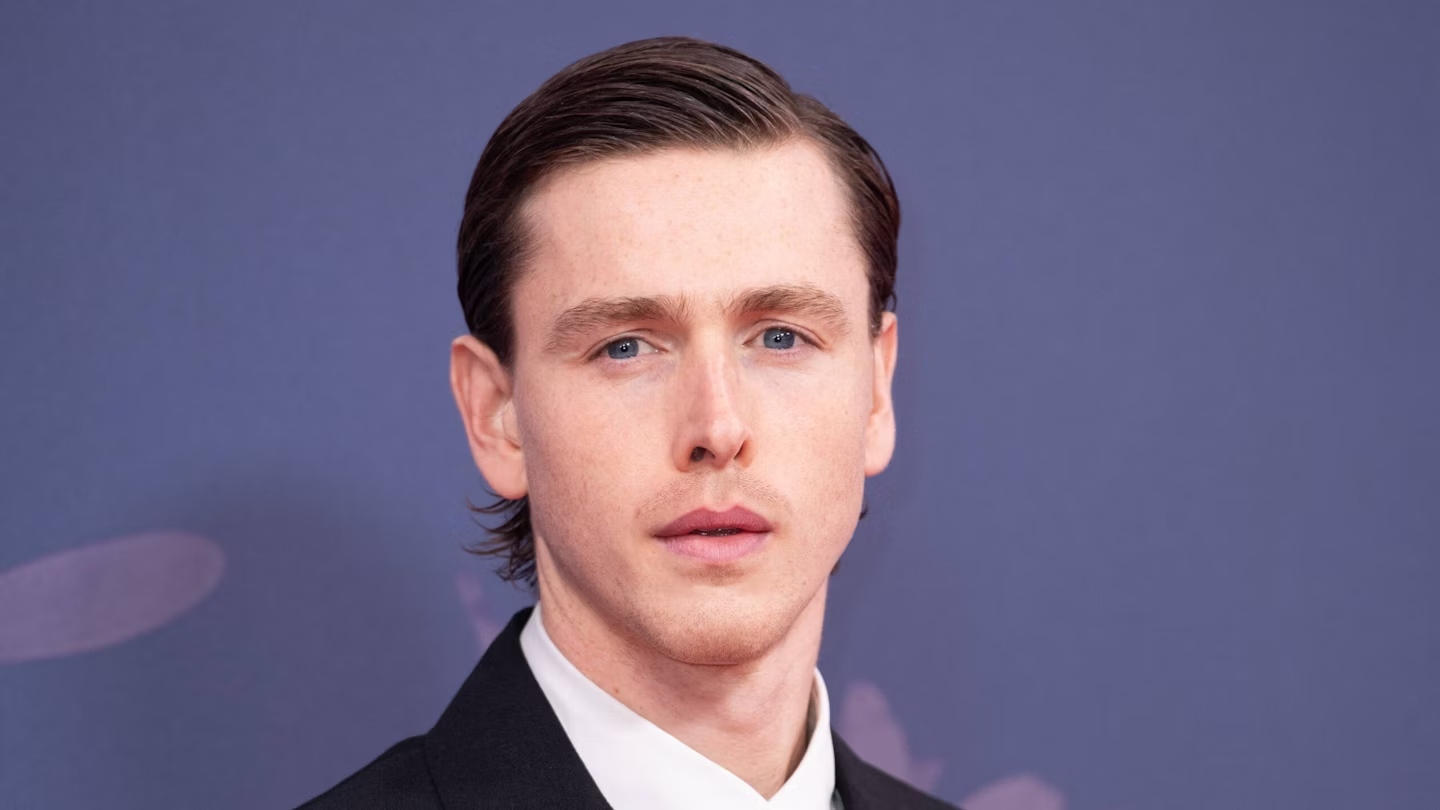
A Word on Harris Dickinson and the Power of Directorial Risk
It would be impossible to discuss Urchin without mentioning Harris Dickinson, whose emergence as a director is just as exciting. From Beach Rats to Triangle of Sadness, he’s built a reputation for choosing roles that challenge the typical leading-man mold. If Urchin is anything like the work he gravitates toward as an actor, I’m expecting a debut that’s soulful, curious and nuanced.
His turn as Bill Farrah in A Murder at the End of the World was understated but devastating, showing a man unraveling in slow motion. (The flashbacks with him and Emma Corrin were the highlight of the series IMO). That same quiet depth now seems to be shaping his directorial eye. And the fact that he chose Frank as his lead? Real recognizes real.
As I wait for Urchin to hit theaters (drop a trailer already, Devisio Pictures!), I can’t help but reflect on the moment we’re in.
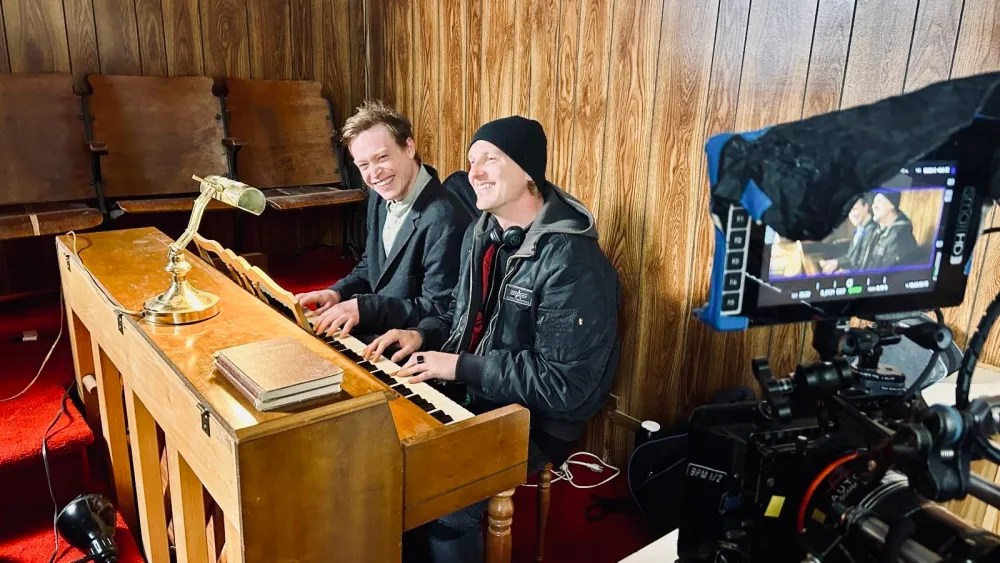
Frank Dillane is no longer just a cult favorite. He’s becoming that guy—the one people Google after a standout performance, only to fall down the rabbit hole of everything he’s done before. And I have to smother the gatekeeper inside of me who will want to brag that “I saw him live in Brixton before the rest of you even knew he played music.” (Hold the tomatoes: I actually did see him perform at the Windmill last year and was genuinely blown away. If you’re into Babyshambles, The Libertines, or Razorlight, check out his singles. You’ll get it.)
But more than that, I want all of this to open the door to more socially conscious, creatively risky projects like Urchin. And more collaborations between artists like Harris and Frank, who clearly understand that good storytelling is about intention and connection.
And sometimes, it’s about that one performance that reverberates. We need more art that lingers in a good way, and I hope we continue to see more of it.
 Danger Bowie
Leave a comment