
Things are bleak AF right now. Late-stage capitalism is trying to murk us all and people are seriously using the phrase “national divorce” in the US, like we’re all characters in a dystopian reboot of The Bachelor. So when a film like Mickey 17 comes around—delayed, doubt-shadowed and finally available to stream on HBO Max after a turbulent box-office run—it feels like a gift.
Yes, Mickey 17 is a genre-bending sci-fi film about cloning, labor exploitation and the horrors of immortality. But it’s also the most romantic, hopeful and weirdly healing movie I’ve seen in years. A tender, anti-capitalist masterpiece that reminds us love and community still matter. That they might even save us.
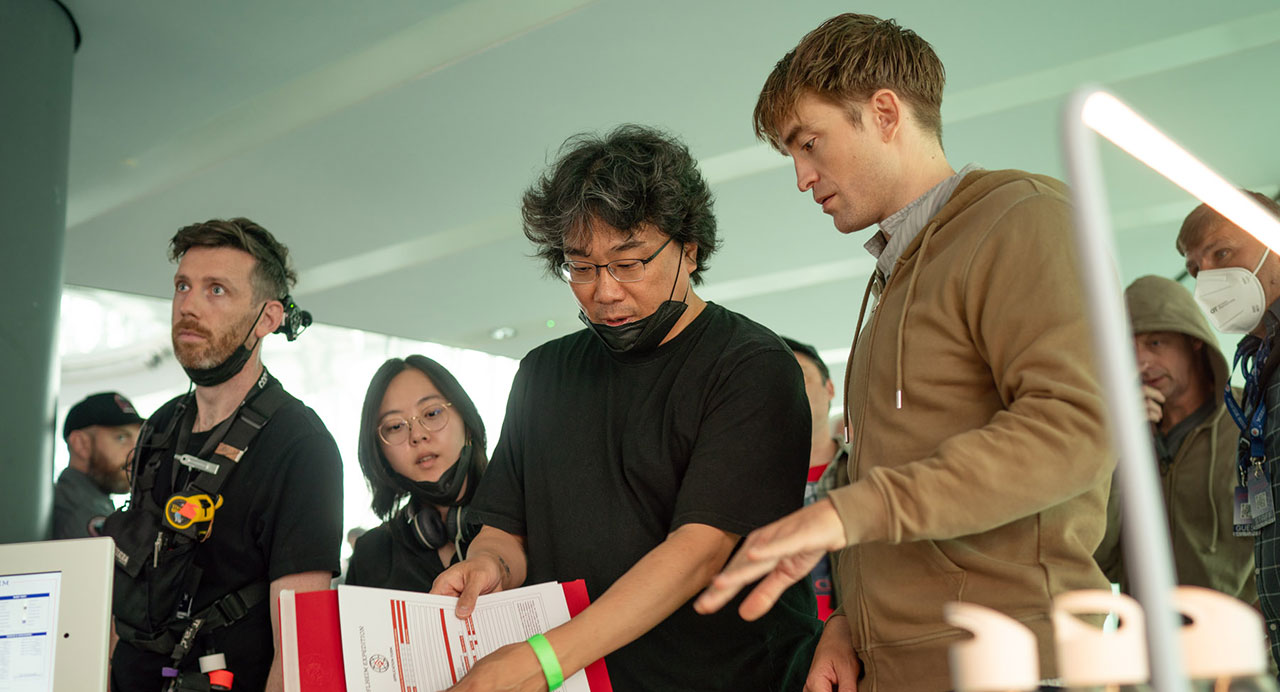
Some films imprint on you (not to get Twilight-coded right out the gate), and this one definitely left a huge impression on yours truly.
It’s rare these days that a movie sticks to my ribs like this. Last year, it was Nosferatu and Sing Sing for me, for very different reasons, obvs. But in the early, chaotic months of 2025, Mickey17 arrived with the kind of warmth and clarity I didn’t know I needed.
I’ve already seen it a few times in theaters, including a harrowing 4DX screening with fake snow, and I’ll be watching it this weekend at home.
Now that I’ve gassed it up, let me sell it to you:
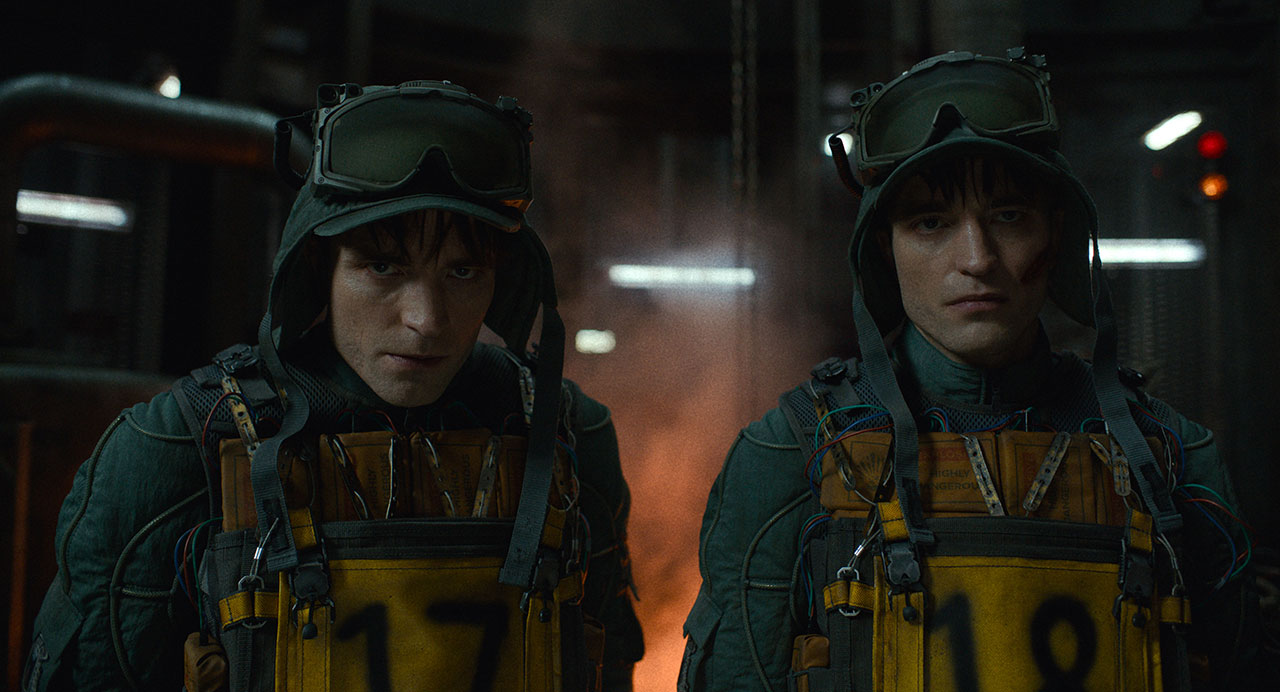
Set in 2054, the story follows Mickey Barnes (Pattinson), a macaron-selling Earth fugitive who dodges a mob boss by signing up for a mysterious job aboard a spaceship. Unfortunately, he doesn’t read the fine print.
Mickey is hired as an “expendable,” a test subject designed to die in place of others during dangerous missions. Every time he dies, his consciousness is uploaded into a new clone body, and the cycle begins again. By the time we meet our Mickey (number 17), sixteen versions have already been obliterated, and we get to witness this in an inventive death montage.
The spaceship he now calls home is a bureaucratic hellscape. Food is rationed based on biometrics and labor output. Sex is banned for being “too energy-intensive.” People only talk to him to ask what death feels like. Mickey is disposable. He knows it. And we know it. Sighhh, the plight of the (space) proletariat.
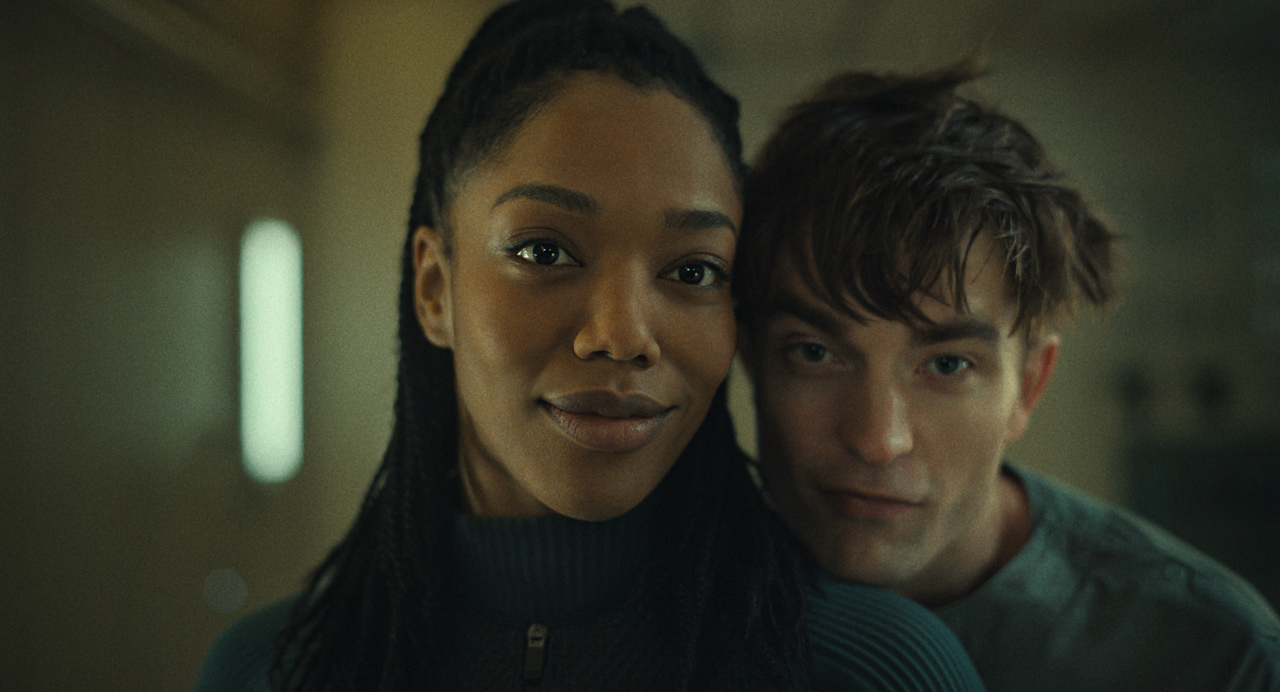
Enter Nasha, played by the phenomenal Naomi Ackie (Blink Twice), a soldier aboard the ship who falls in love with Mickey despite his awkwardness and social irrelevance. What starts as companionship quickly becomes something deeper, and in any other film, I’d be bracing for the “disposal Black girlfriend” trope. But Bong Joon Ho sidesteps that cliché altogether. Thank you, king!
Ackie brings dimension and grit to Nasha. She loves every version of Mickey, even the ones who are scared, selfish or broken. And she’s not just in the story to make Mickey whole. She’s fighting for him, with him, and eventually beside him.
Just when Mickey17 starts building something resembling a life—Nasha and a sense of purpose—he’s left for dead on a mission.
But he doesn’t die.
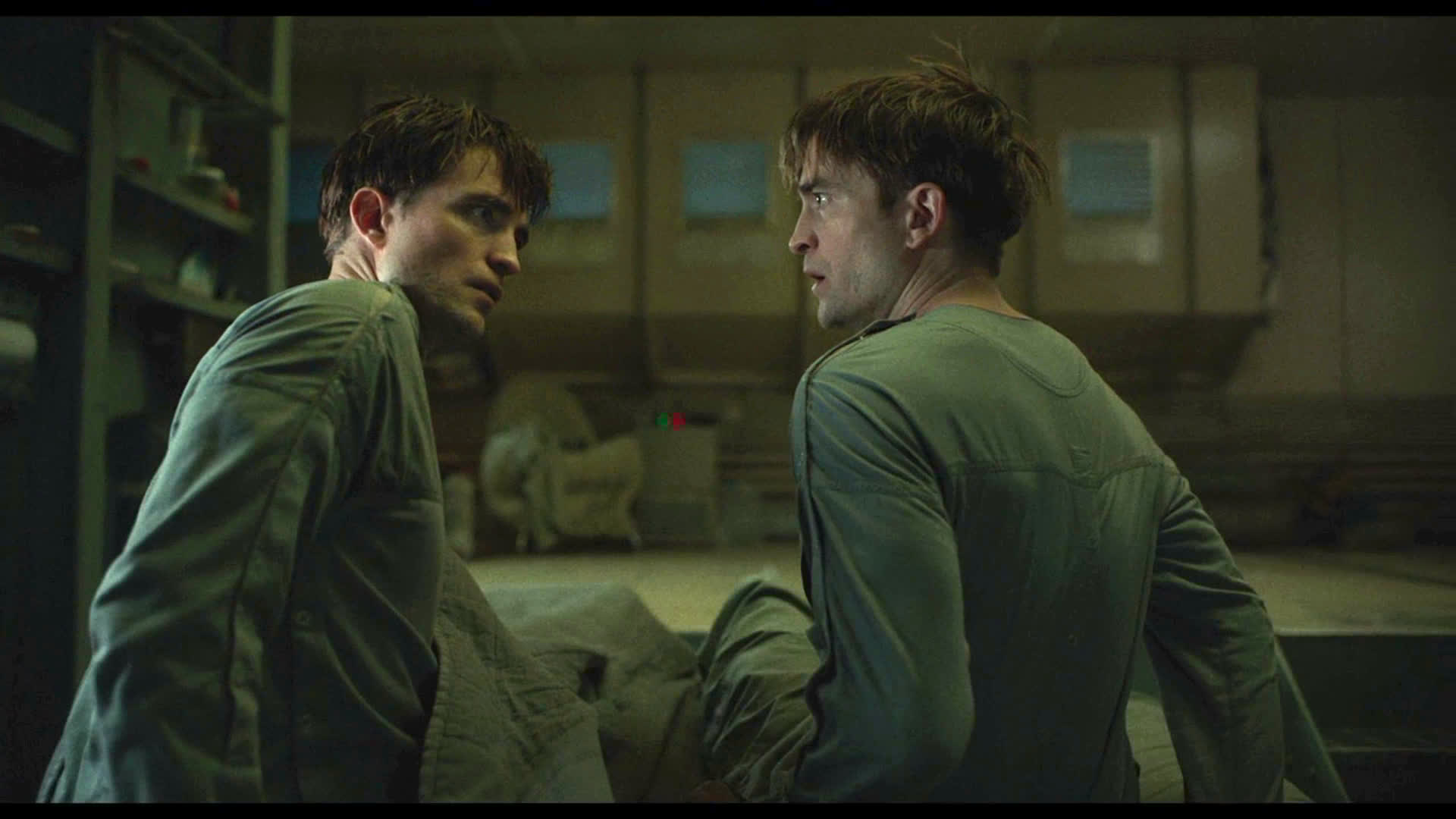
And when he returns to the ship, he finds Mickey18 already printed and walking around. There can’t legally be two expendables alive at once, so they agree to coexist in secret.
Where Mickey17 is all heart and hesitation, Mickey18 is colder and unwilling to play nice. He’s who 17 might have become if he’d let go of his humanity. Together, the two represent more than just narrative tension. They embody the divide between peaceful resistance and a by-any-means-necessary approach. Can I believe I’m comparing two sci-fi clones to MLK and Malcolm X? No, but it fits. And it reflects the exact kind of internal conflict so many of us are wrestling with right now.
Do we fight quietly, with boycotts and sit-ins? Or do we do whatever it takes to force change? Mickey 17 doesn’t give you an easy answer. It offers something more honest: the idea that both instincts can exist at the same time.
Let’s talk about Kenneth, our villain (played by Mark Ruffalo doing a very familiar impression). He’s the mission commander, but really he’s a thinly veiled stand-in for every performative strongman leader you’ve ever seen.
He’s obsessed with optics, speaks in empty slogans and treats people like chess pieces. Women are either reproductive tools or wives like Ylfa (Toni Collette), who low-key calls all of the shots as she obsesses over sauce recipes. Yes, sauce.
Kenneth is leading Mickey and the crew on a colonizing mission to Niflheim, a frozen planet inhabited by massive, intimidating creatures he’s labeled “Creepers,” because, of course, the great ignorant leader needs a slur to justify conquest.
From the beginning, the mission is framed as righteous and necessary, with Kenneth stoking fear and disgust to keep everyone in line. But as Mickey and Nasha start to see the truth, it becomes clear: The so-called monsters aren’t violent. They’re intelligent, attuned to their environment and just trying to protect their home.

The colonizers frame them as threats to justify their own presence. It’s a direct and powerful allegory for the way colonial powers have historically vilified Indigenous people to make theft and displacement palatable.
I won’t spoil the rest of the movie, but I will say this: it’s unexpected, bizarre and completely Bong Joon Ho-coded. The kind of finale that leaves you unsure how to feel at first, and then slowly realizing you feel… hopeful in a more defiant way. Like maybe survival isn’t enough. Maybe we get to live, too.
That’s the magic of Mickey 17. It doesn’t pretend the system isn’t broken. It shows you exactly how it grinds people down, commodifies their bodies and warps their humanity. But it also dares to believe in something softer, like love and solidarity. Maybe we don’t have to be perfect to resist the forces that wish to harm us all, as long as we have our community.
The story is so weird and tender, and it might be the most unexpectedly comforting film I’ve seen in years.
I hope Mickey17 imprints on you, too.
 Danger Bowie
Leave a comment