
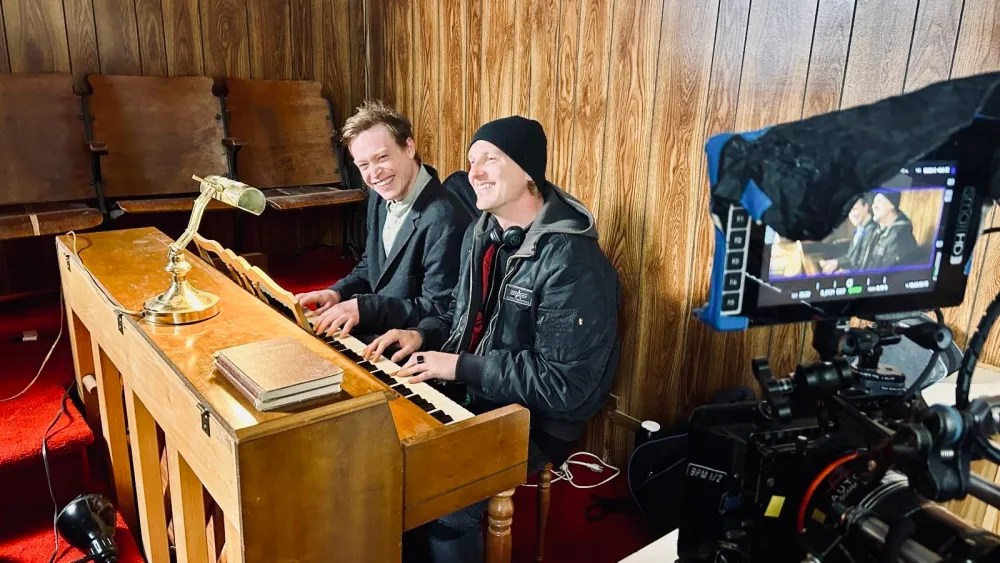
This past weekend, I attended a screening of The Life of Chuck, followed by a Q&A with writer-director Mike Flanagan and actors Tom Hiddleston and Chiwetel Ejiofor.
What stood out during the discussion wasn’t just the usual behind-the-scenes anecdotes—it was how deeply aligned everyone on that stage felt about the emotional core of the film. Again and again, they returned to the same idea: how rare it is, especially in today’s media landscape, to be part of something unapologetically hopeful.
“I thought the script was so moving… so emotional,” Ejiofor said. “I love the emotional honesty of it. Because we’d all gone through COVID in such recent history… this collective kind of trauma, the falling apart of the world and trying to find this human connection. I just found myself incredibly moved.”
Hiddleston echoed that sentiment: “It’s a story about how every ordinary life is magic and precious. And all these people have internal worlds of vast range and depth, as do we all. The story seems to be saying love is all we leave behind. And that’s all that matters.”

Flanagan emphasized how personal this story was to him. “Unapologetically hopeful is how I would describe King’s story. I had never come across something that was that earnest and utterly without cynicism. I needed that in 2020. I think I still do.”
That need shows. The Life of Chuck is based on a 2020 novella by Stephen King and unfolds in reverse over three acts, gradually revealing the full life of one man through surreal, fragmented vignettes. It’s tender, strange and time-bending, with just enough King weirdness to remind you where it came from.
Before we proceed, light spoilers ahead.

The story begins at the end, with the world unceremoniously falling apart. There are power outages, empty hospitals and the internet is gone—the whole apocalypse enchilada.
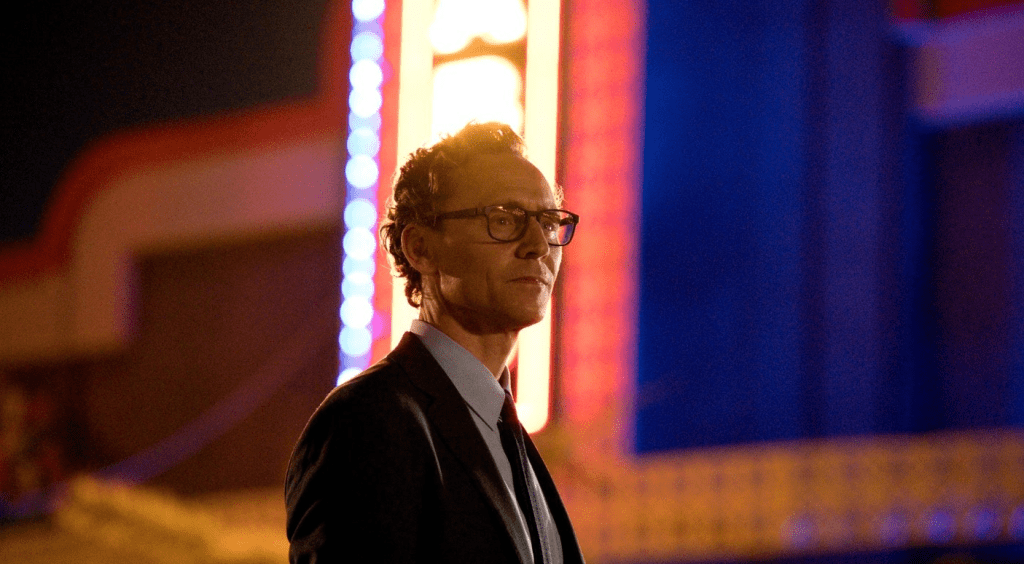
And everywhere, there are digital billboards of a bespectacled dude in a suit that say: “Charles Krantz, 39 great years. Thanks Chuck!”
No one seems to know who he is, but his face is everywhere.
The film stays grounded in the human response to all of this unraveling. If the pandemic taught us anything, it’s that world-altering emergencies don’t always explode into chaos. They can arrive quietly, marked by long stretches of waiting for guidance, muted dread, comfort check-ins with loved ones and wiping down cereal boxes with Clorox wipes because of viral social media posts. (Guilty as charged.)

The first act introduces us to Marty (Chiwetel Ejiofor) and his ex-wife Felicia (Karen Gillan) as they navigate this surreal apocalypse. Their interactions provide an emotional anchor for the film’s opening, setting the tone for the introspective journey that follows.
That sense of slow unraveling wasn’t just part of the story. It also reflects the events surrounding the film’s production and release.
“There were all these apocalypses with this project,” Flanagan revealed. “When the short story was published, I was reading it a month into the COVID lockdown in April 2020. When we were finally shooting it, SAG and the WGA were on strike. We were an interim agreement film because we were a true independent, so it felt like the industry was having this apocalyptic moment. And now it’s being released now,” he added with a laugh. “So… I was very lucky. The stars aligned on this one.”
Eventually, we meet Chuck himself, played with warmth and restraint by Hiddleston. Though, despite what the marketing might imply, he’s only in about a third of the movie. And he spends much of it dancing (in a genuinely joyful street scene) or [spoiler], and speaks surprisingly little.
That restraint is intentional and thematically effective, but I was left wanting more of him. The Marvel machine has pulled Hiddleston away for so long, and I’d love to see him in more non-Loki roles. (Only Lovers Left Alive/Crimson Peak hive for life!)
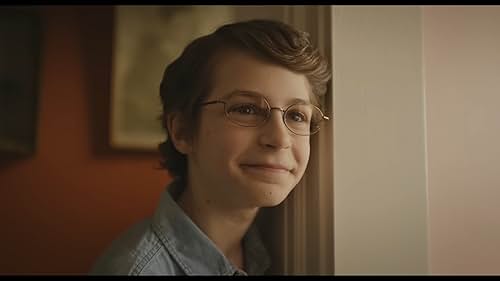
The film’s true standout is Benjamin Pajak, who plays pre-teen Chuck. His performance is so on point. You can clearly see the man that Chuck will become through him. He’s funny and open and a little sad, and the kid can dance! He glides from the waltz to the moonwalk with an ease me and my two left feet will never know.
The scenes with his grandparents (Mia Sara and Mark Hamill) are among the most affecting. They’re mega nostalgic and there’s just enough eerie King atmosphere (there’s a locked, off-limits room at the top of their Victorian home ) to root the story in his literary world.
These slower moments—from Bubbe rocking out in the kitchen to loving monologues about the importance of math—end up being some of the most powerful in the film.

(My iPhone camera and general photography skills are atrocious, but here’s a pic of the panel.)
As I sat in traffic on the 405 afterward (yuck), I had time to reflect on what I had just watched. The film is just under two hours, but it takes its time. That pacing might initially frustrate some viewers, including myself, but by the end, I appreciated the intention behind it. You’re invited to sit with the ideas it introduces (grief, memory, legacy) rather than sprint toward a resolution.
Keeping it all the way real, I think this would’ve worked even better as a limited series. The world and characters, especially Marty and Felicia, needed more space to breathe. The film hints at big emotional histories, but doesn’t explore them. I wanted to know more about their backstory and Chuck’s life between college and middle age. This is all a testament to the pens of King and Flanagan.
Annnd I’m still thinking about the story, days later. Like much of Flanagan’s work (Midnight Mass, The Haunting of Hill House), it lingers. But this time, the emotional gravity isn’t solely from his direction. It’s also from King. While I haven’t read the novella yet, the story feels like King asking, “What happens to the worlds I’ve created when I’m gone?”
It’s the saddest million-dollar question ever.
Many of the artists who have shaped my perspective on storytelling and culture are in their twilight years. And more and more, we’re seeing works from them that feel like meditations on legacy—what we leave behind and what it means to be remembered. There’s a kinda grief in that. But also gratitude.
Watching The Life of Chuck, I felt both.
The film serves as a gentle reminder that we don’t need to do something extraordinary to have lived a life that mattered. As Chuck comes to understand, we are large and we contain multitudes.
 Danger Bowie
Leave a comment