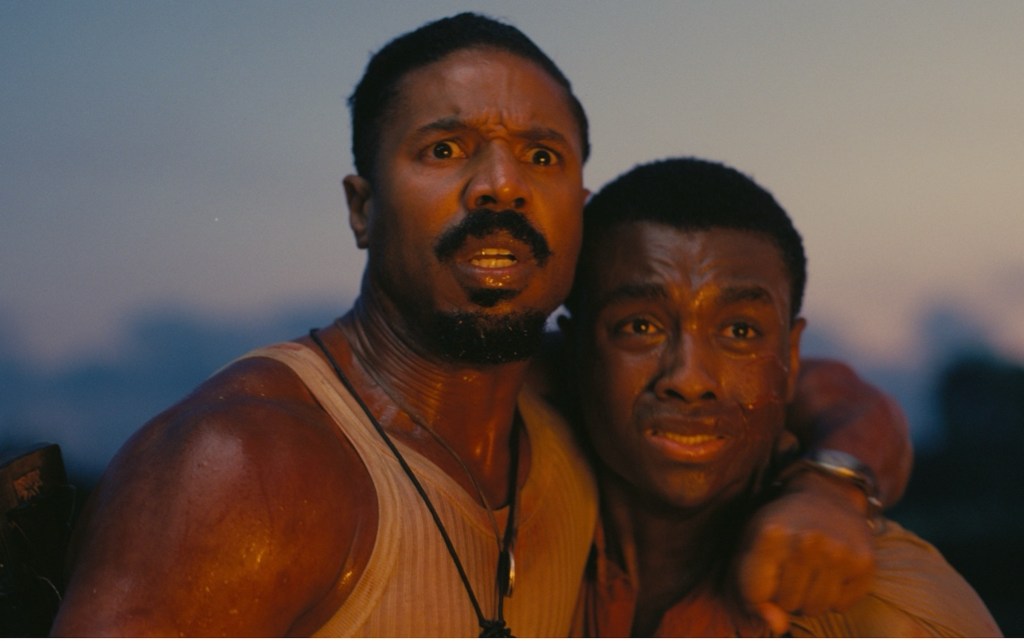
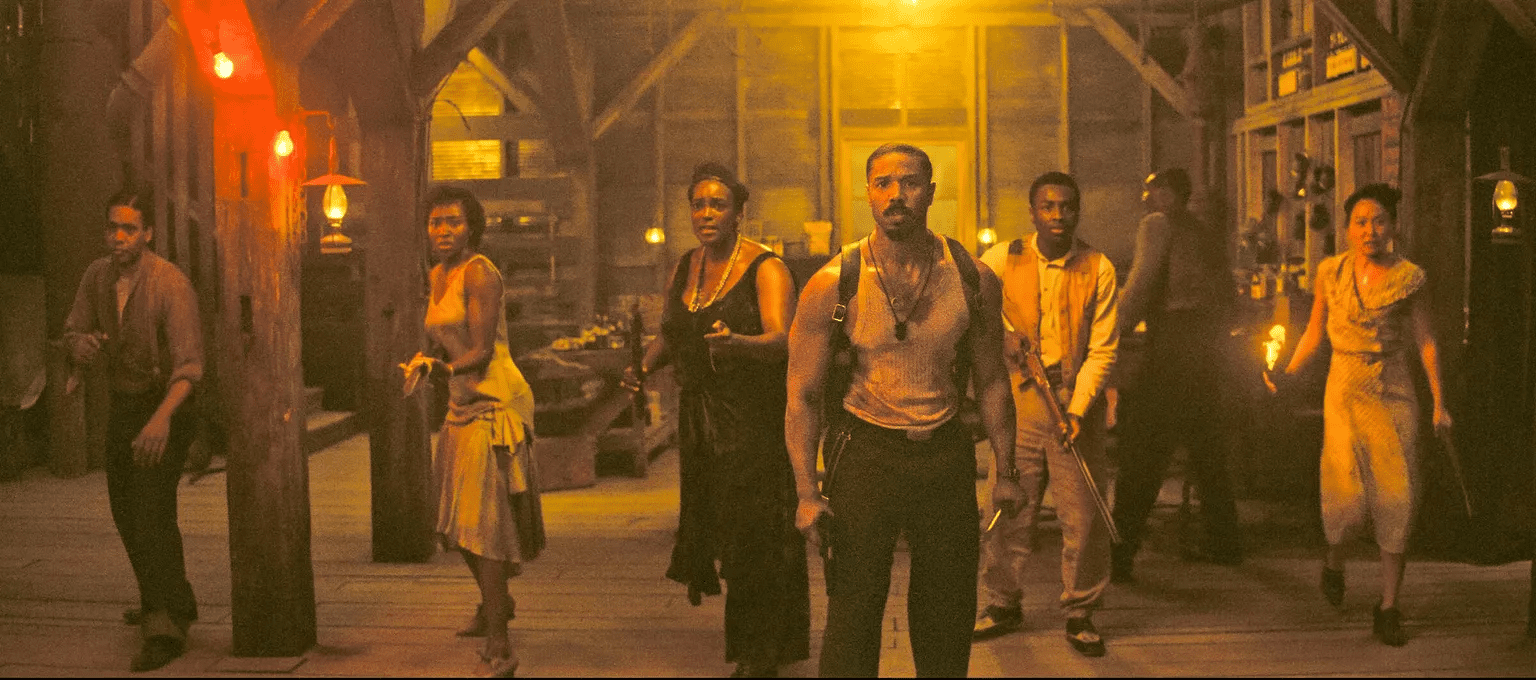
Ryan Coogler’s Sinners is the biggest horror film of 2025 and a full-blown box-office juggernaut. Since its April release, the supernatural thriller has grossed $364 million worldwide (and climbing). Domestically, it has pulled in $278 million, with a $48 million opening weekend, which is the biggest debut for an original film this decade.
Now that Sinners is officially streaming on HBO Max, it’s the perfect excuse to revisit the film and dig into all its rich symbolism and meticulous detail. Personally, I can’t wait to watch it with closed captions so I can finally catch all the delicious dialogue that I missed in theaters.
As all of my fellow chronically online film nerds know, there are dozens (maybe hundreds) of hidden clues simmering in this cinematic gumbo, as Ryan Coogler himself calls it. I already dished out 8 Fun Facts That’ll Change How You See the Film, but with the streaming debut, I thought it was time to offer another helping of Sinners Easter eggs and hidden details.
Spoiler Alert: This article contains major spoilers, so if you haven’t seen the film yet, bookmark this post and come back later. (Also, I’m jealous that you get to experience it for the first time. Enjoy!)
1. A Puss in Boots Villain Helped Shape Remmick’s Predatory Presence
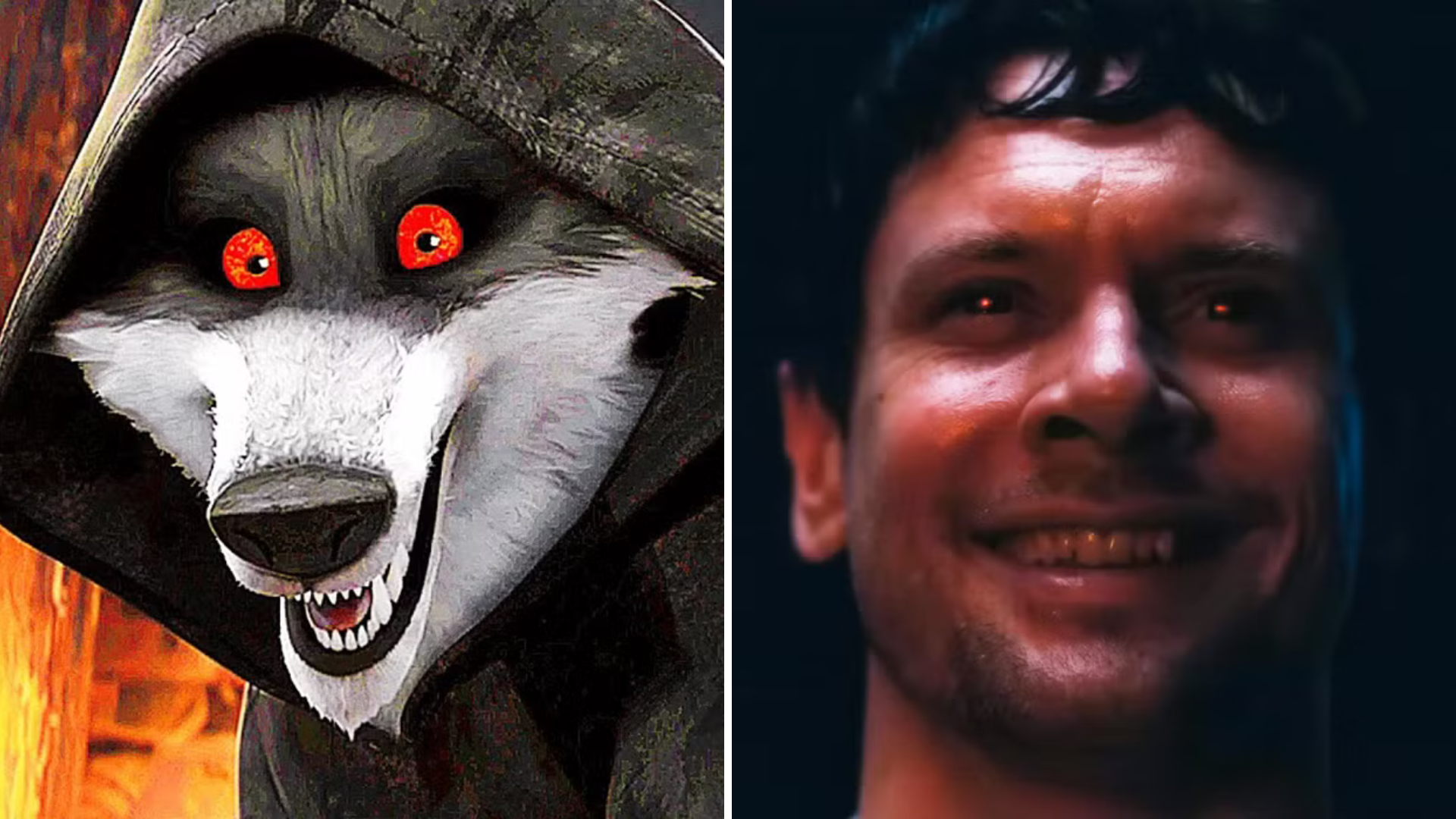
On the Get Rec’d podcast, Coogler revealed that the big bad of Sinners, Remmick (played chillingly by Jack O’Connell), was inspired by Wolf, the red-eyed antagonist from Puss in Boots: The Last Wish. “Think about the villain. Think about his defining features,” Coogler said. “Wolf liked to bite. Remmick is a vampire — that trait’s a given.”
Like Wolf, Remmick has an intense, almost mythic presence, and his glowing red eyes are a key part of that. To bring that spine-chilling stare to life, the Sinners team used custom contact lenses for the vampires. According to Hailee Steinfeld, they weren’t exactly easy to wear: “The first time you put the contacts in, you can’t see anything… I was like, ‘Someone take a picture. I gotta see what this looks like.”
2. The Night Stack Lost His Brother and His Reflection
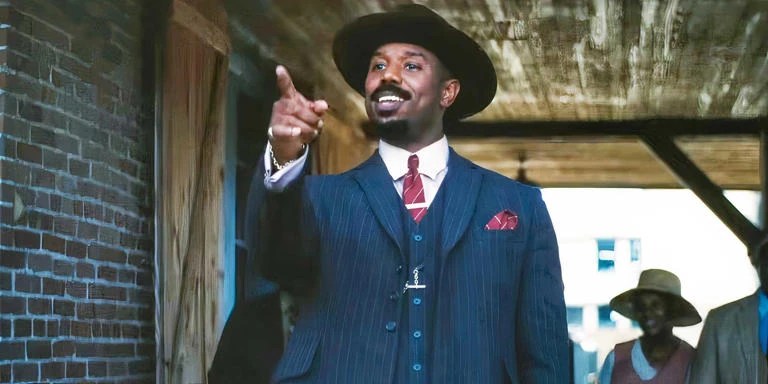
In a heartbreaking moment during the mid-credits scene at Pearline’s, Stack reflects on that fateful night in 1932: the last time he saw his brother. But there’s a deeper layer. It was also the last night he saw himself, quite literally.
Vampiric lore says the undead have no reflection, and at Pearline’s, we see that play out. As Stack reminisces with Sammie, his reflection is missing from the mirror behind the bar. It’s a powerful visual cue that his transformation and his loss are complete.
3. Ryan Coogler Wrote the Script in Just Two Months
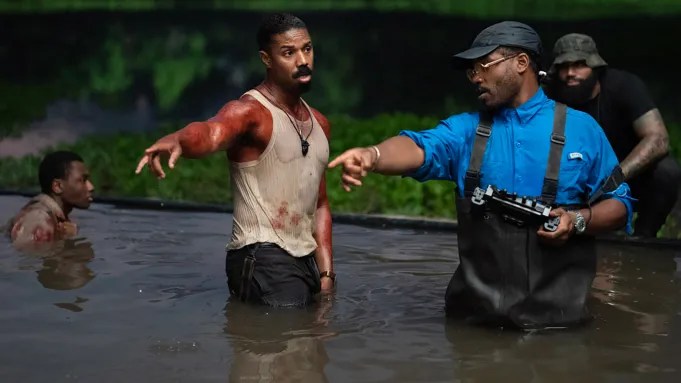
This is not so much a hidden detail as it is a jaw-dropping behind-the-scenes fact: Coogler revealed at his production company’s retreat in October 2023 that Sinners would be his next project, and the clock started ticking. He finished the script by Christmas, an impressive two-month sprint for a film with such layered storytelling.
“Once I said it… I had to go write the thing,” he said, adding, “I don’t want to be full of shit with my partners.”
By April 2024, filming was underway.
4. How a Blues Anthem Became the Soul of Sinners
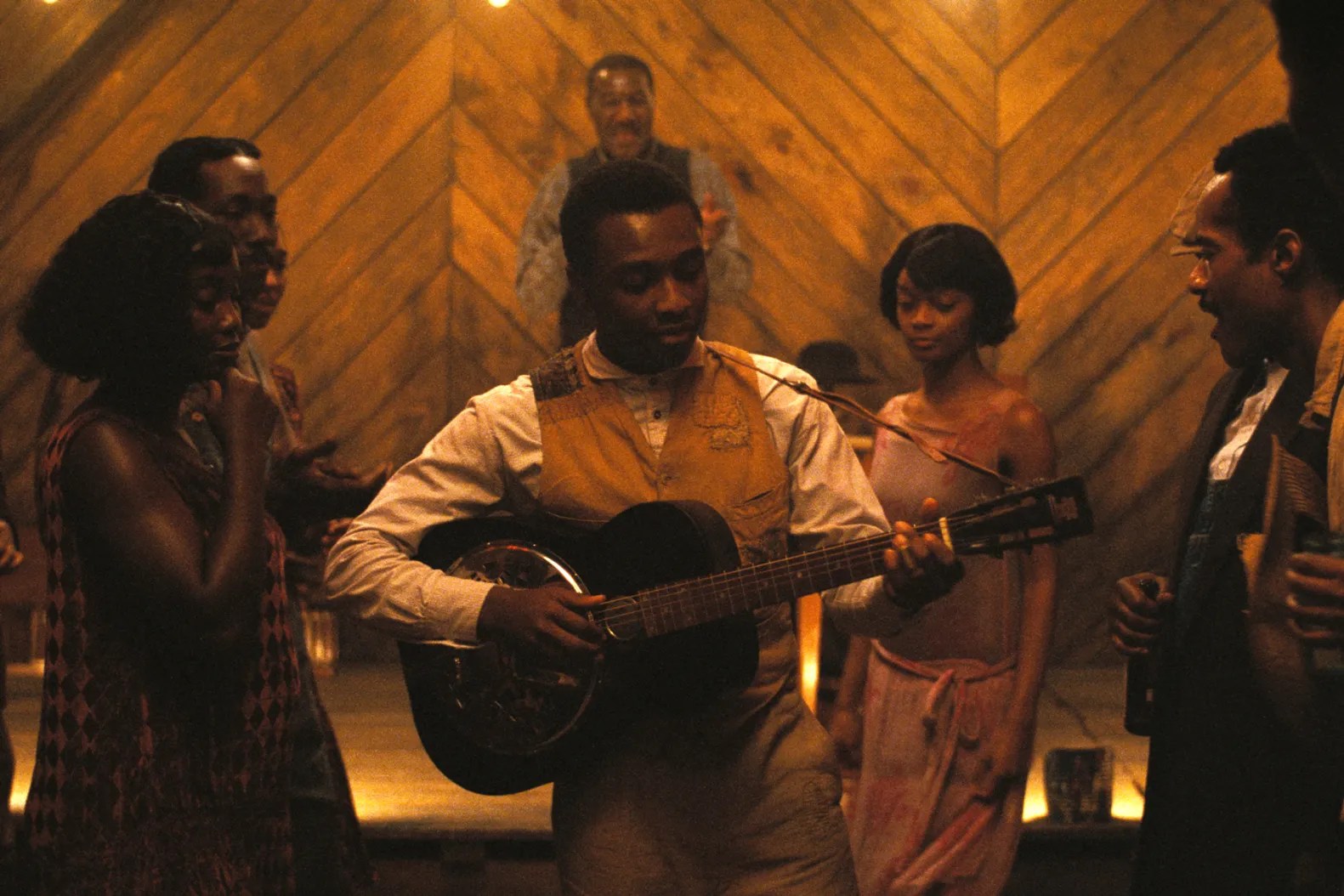
The story of this new vampire classic was partially inspired by “Wang Dang Doodle,” a blues anthem immortalized by Howlin’ Wolf, and later reimagined by Koko Taylor. The lyrics introduce a rowdy cast of characters—Butcher Knife-Toting Annie, Razor-Toting Jim, Fast-Talking Freddie—throwing a party where anything goes.
Coogler told Variety: “They all have nicknames that imply they’re gangsters…My family threw a lot of parties… and those are some of my fondest memories. I was like, ‘Oh, wouldn’t it be cool if I made a one-day movie, which is more my favorite type of movie, where it’s this group of people, and everybody who they get together is dangerous, but they meet something that’s more dangerous than they could ever imagine.”
That musical spirit lives through all of Sinners characters. Annie (played by Wunmi Mosaku) mirrors her namesake’s mystique: a powerful Hoodoo healer haunted by loss, whose presence crackles with the same mix of threat and reverence as the blues legends in the song. Characters like Stack and Smoke feel equally lyrical, nicknames that feel like lines in a blues verse, as if they might snap at any moment.
5. The Brothers’ Suits Say Everything
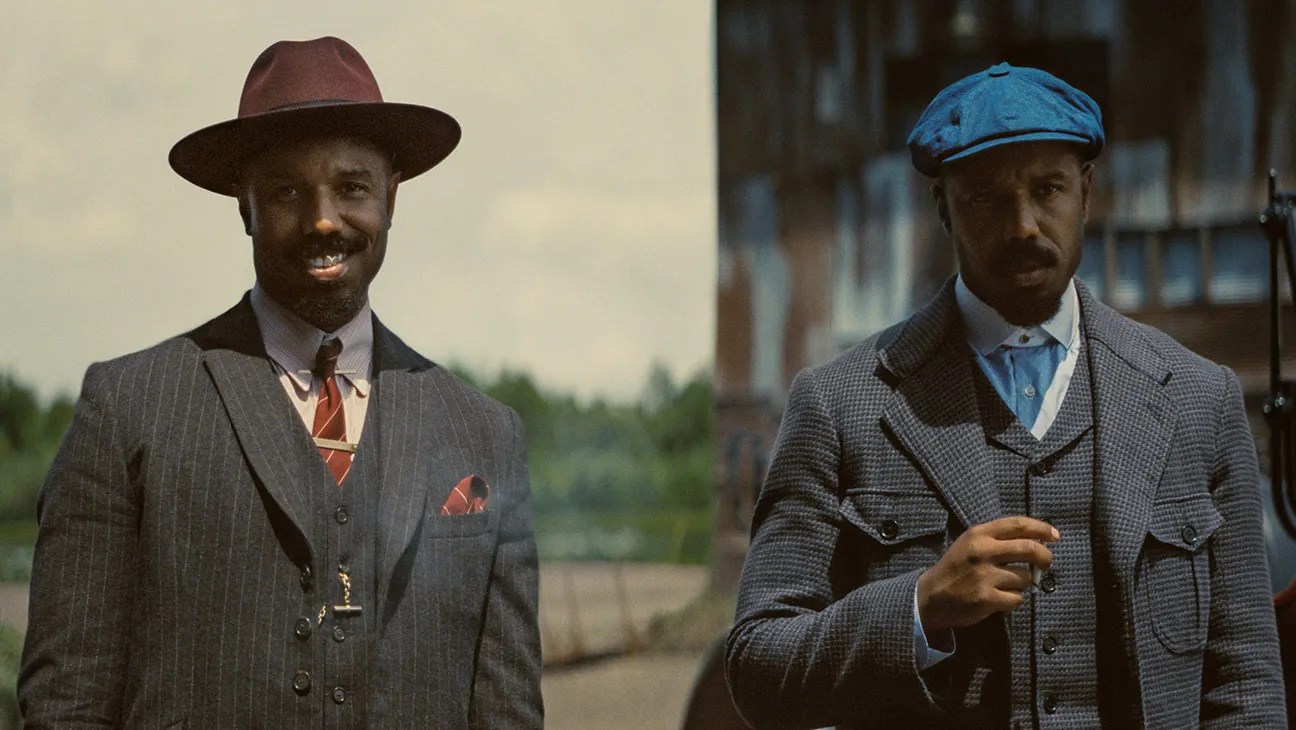
The costume design in Sinners reveals the core of these characters. Take Stack: His entire look screams precision and control. His custom 1920s-style suit featured three subtle front buttons, a slanted pocket cut, collar bar, tie bar and cufflinks. Every detail was meticulously selected.
In an interview with Harper’s Bazaar, Oscar-winning costume designer Ruth E. Carter even tracked down a deep red hat in a Melrose Avenue shop in LA to top it all off. The hat was so important to the character’s silhouette that the crew made leather cases just to protect it between takes.
Stack is a man who plans everything, even when chaos surrounds him. Meanwhile, his brother Smoke dresses like he’s hiding something, because he is. His suit is looser, boxier, less tailored, giving him space to conceal weapons: two guns and a knife. Carter says his look was directly inspired by Don Cheadle’s Mouse (an absolute icon) from Devil in a Blue Dress. The denim blue hat Smoke wears ties into workwear, hinting at his roots and grit. He’s rougher, scrappier, but no less dangerous.
6. The Tribute to Chadwick Boseman
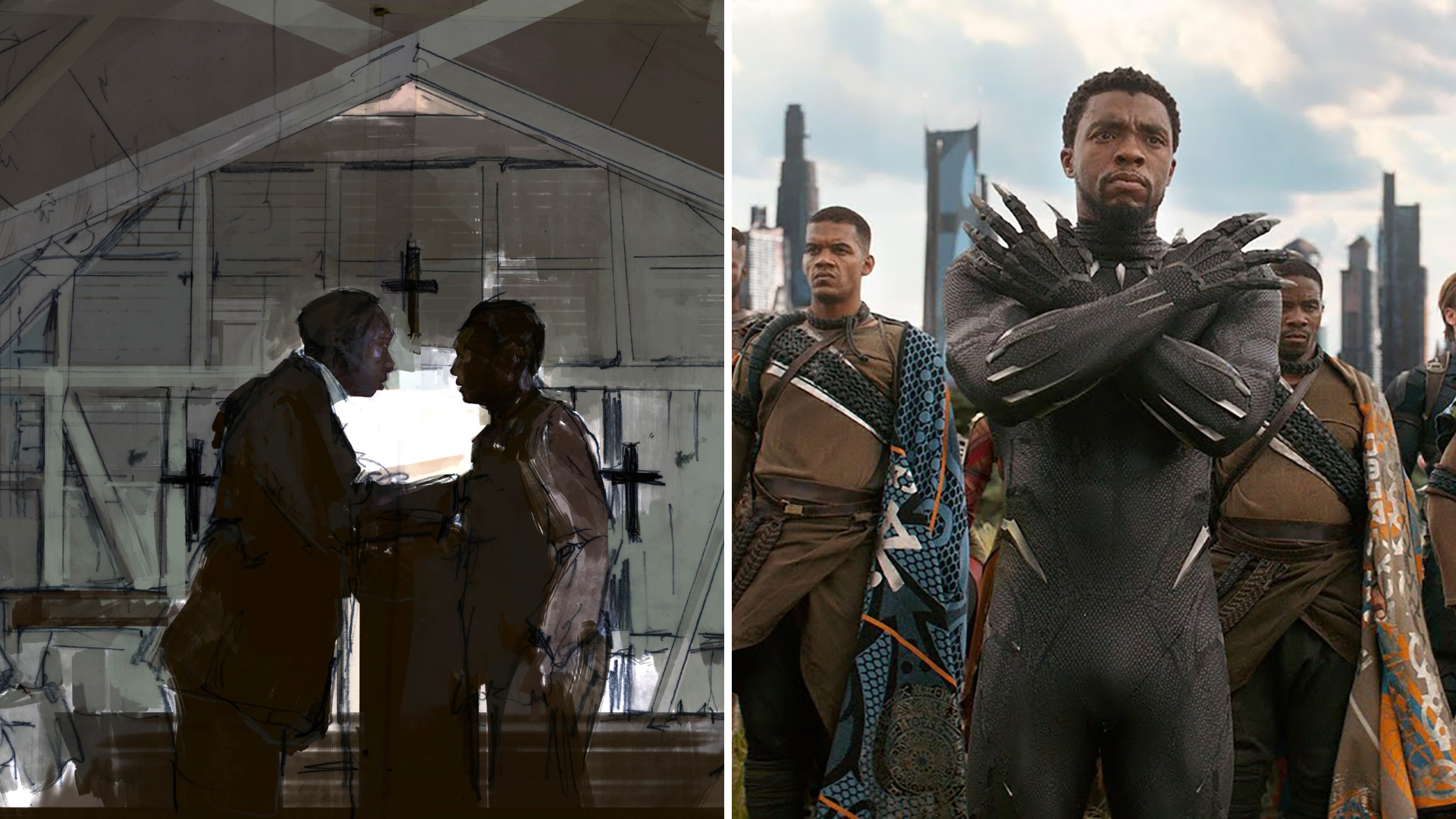
One of the film’s most poignant visual moments features three simple wooden crosses. At first glance, it’s a quiet image, but it carries deep spiritual and symbolic meaning.
The crosses represent Sammy, his father, and the Holy Spirit, forming a visual reference to the Christian trinity and the idea of a lasting spiritual connection between generations. Their construction is highly intentional. The rough-sawn beams are spaced exactly 33 inches apart, which mirrors the age Jesus was believed to be at the time of his crucifixion. It’s a subtle and impactful nod to themes of faith and resurrection that run throughout the film.
There is another layer as well. Above the crosses, two diagonal support beams intersect in a way that forms the shape of the Wakanda Forever salute, with arms crossed at the chest. This was no accident. Production designer Hannah Beachler, who also designed Black Panther, included the shape as a tribute to Chadwick Boseman, she revealed in an X post.
7. Remmick, a Crib, and the Baby That Was Never There
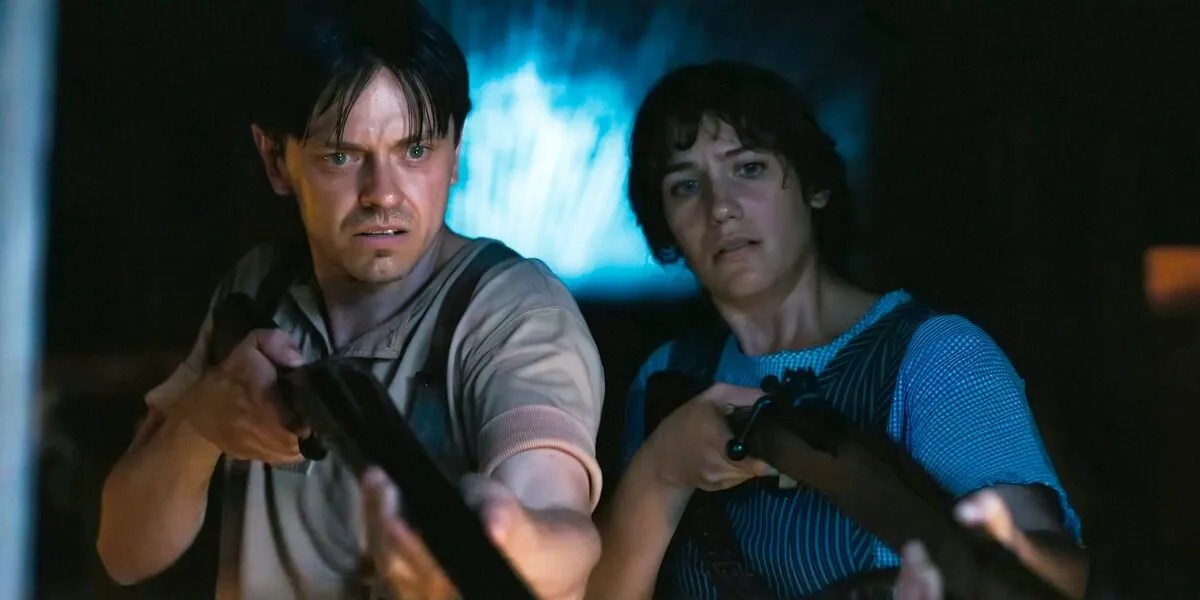
In Bert and Joan’s house, sharp-eyed viewers may have noticed a detail that raises more questions than it answers: a fully made crib, with no baby in sight. It’s never addressed in the final cut of Sinners, but according to Variety’s Courtney Howard, a scene explaining the empty crib was removed during the editing process. (Hopefully, it’s included in the DVD extras!)
Peter Dreimanis, who plays Bert, revealed to Howard: “The film starts with Bert and Joan talking about their desire to have a child and inability to do so and then an injured man [Remmick] shows up and changes it all.”
Leaving the empty crib in the final cut without explanation has led to one of the film’s darker fan theories: that Remmick, or possibly even post-human Bert, killed or consumed the child.
8. Segregation by the Aisle: How the Chows’ Stores Told Two Different Stories
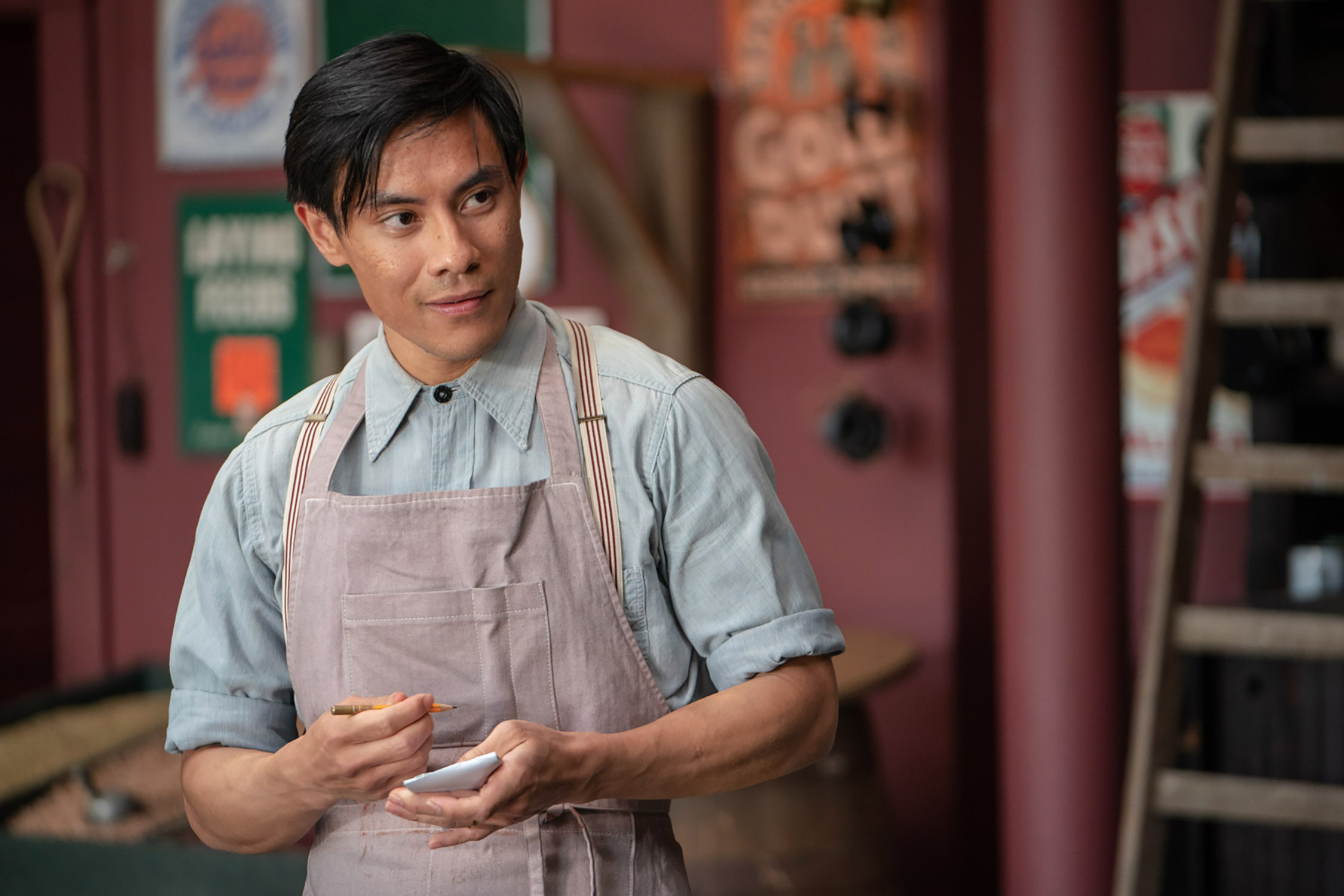
In Sinners, even a pair of grocery stores becomes a lens into the harsh realities of the Jim Crow South. The town’s two markets—one for Black customers, one for white—are located on opposite sides of the street. Both are owned by Bo and Grace Chow, but their design and contents could not be more different, production designer Hannah Beachler told Variety.
The Black store is practical and stripped down. It offers produce, tools, and household essentials like brooms, mops and buckets, which are items that reflect labor and survival. It’s a space rooted in function, with little room for luxury. Even the candy here is hard and long-lasting, like something a child might tuck away for later. Beachler described it as “a store about work,” where every item has a purpose tied to physical labor or domestic service. “If somebody wanted you to be their maid, you had to be their maid. That was just the way it was.”
Across the street, the whites-only store paints a completely different picture. It’s brighter and better stocked, filled with soft candies, cakes, fruit and branded goods. The walls feature more advertising, and the space feels curated for comfort and consumption, not necessity. Beyond the goods available, the store implies abundance and entitlement.
9. Annie’s House Was Built Beneath a Canopy of Oaks in a Historic Location
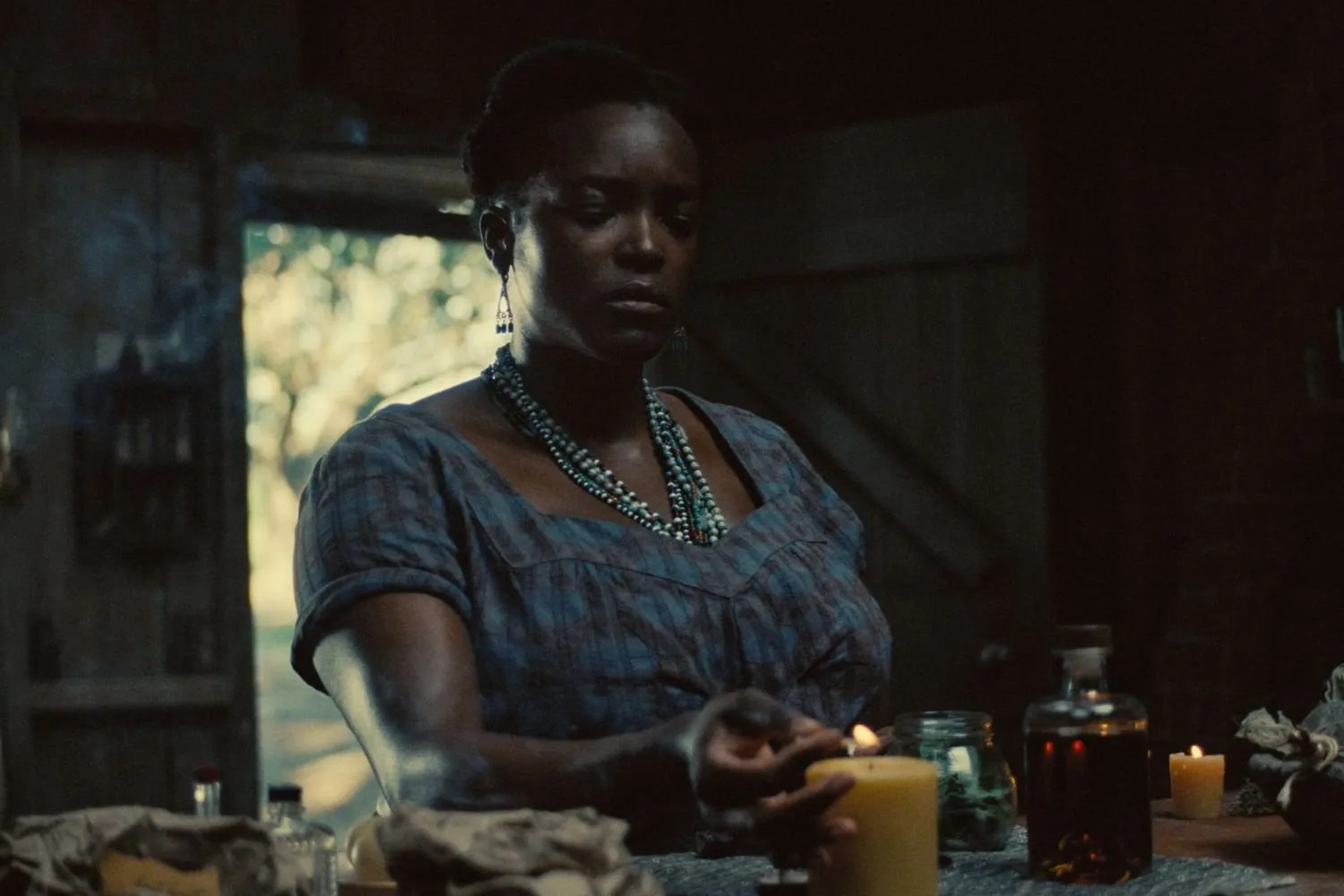
Annie’s house is a key location in the early part of the film. It’s where she and Smoke reunite after his time away in Chicago, and it’s here that the story’s deeper spiritual themes begin to unfold.
The house wasn’t pre-existing. It was built entirely for the film at Creedmoor Plantation in St. Bernard Parish, a site chosen for its atmosphere and deep roots in Southern history.
“Ryan wanted [it] to be built under a canopy of oaks from the 1800s,” production designer Hannah Beachler told Timeout. “Having come up in New Orleans in the film industry since 2004, I knew there was a great location where we shot a very small horror movie. It was an old plantation that was cared for by a man named Lou Pomes in St. Bernard Parish. When Ryan said ‘canopy of oaks,’ the first thing that popped in my head was Lou’s place.”
Creedmoor is also one of three plantations used in the 2016 Roots remake and was also featured in The Last Exorcism.


 Danger Bowie
Leave a comment