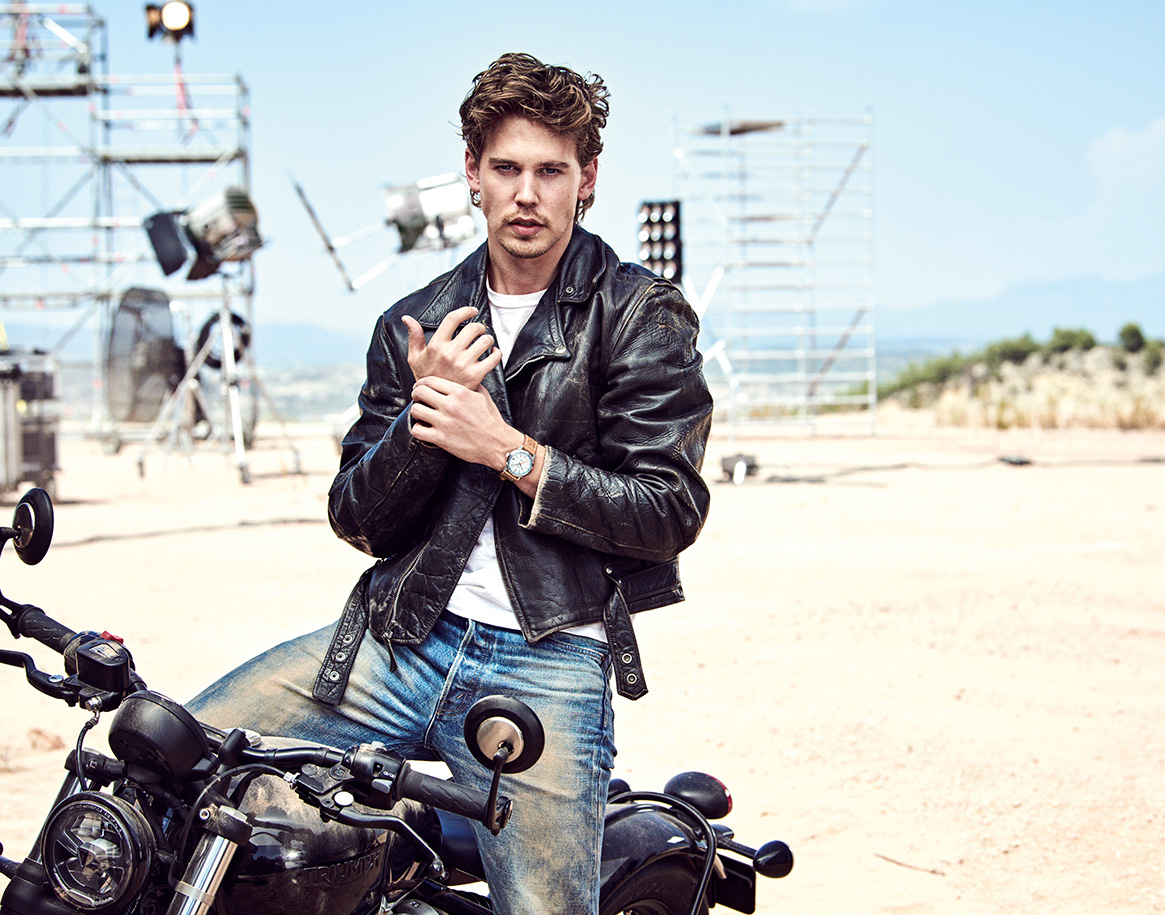

Two days after it even hit shelves, Holly Brickley’s debut novel Deep Cuts was snapped up for a film adaptation by A24. It’s a story about the kind of creative relationship that can define a life. We’re talking Lindsey Buckingham and Stevie Nicks; pairings where the personal and creative are so tightly wound that you can’t untangle one from the other without changing the art itself. These are partnerships built on attraction and friction, on the thrill of collaboration and the sting of knowing exactly where to twist the knife.
Percy (Saoirse Ronan) is our narrator, and Joe (Austin Butler) is the force she orbits, resists, and inevitably returns to. Their connection has an intoxicating push-pull: She’s the first to bluntly tell him when a song isn’t working (and, most importantly, why), and he’s the first to truly value her Rick Ruben-esque talent for producing music. Their creative highs are matched only by the personal complications, and the two are impossible to separate.

But in the novel, Joe’s characterization is kind of thin. We see him almost entirely through Percy’s eyes, and often hear his thoughts secondhand via Zoe Gutierrez, their empathetic mutual friend. On the surface, he tends to appear when he needs something (feedback on a song or connection, usually) and toys with Percy’s obvious feelings for him. It’s a complicated bit of limerence. She loves him and wants to be him. Without more dimension, he risks reading as a broken, self-serving user.
But there are hints, often revealed through Zoe’s observations or Joe’s rare flashes of vulnerability, of why Percy matters to him beyond her utility.
Those moments suggest a love that runs deeper than collaboration. She represents safety and challenge in equal measure. She sees the parts of him he tries to hide, and still loves him. This is a dynamic the film will have to emphasize if we’re going to believe in Joe as more than just a charismatic opportunist. And it’s one Butler will have to make us feel even in silence.
An underwritten Joe risks being just another indie frontman who can’t create without his muse. On screen, we need more glimpses of what’s happening when Percy isn’t looking. That responsibility will fall heavily on Butler’s capable shoulders.
Butler’s Evolution: Is “Joe” New Territory?
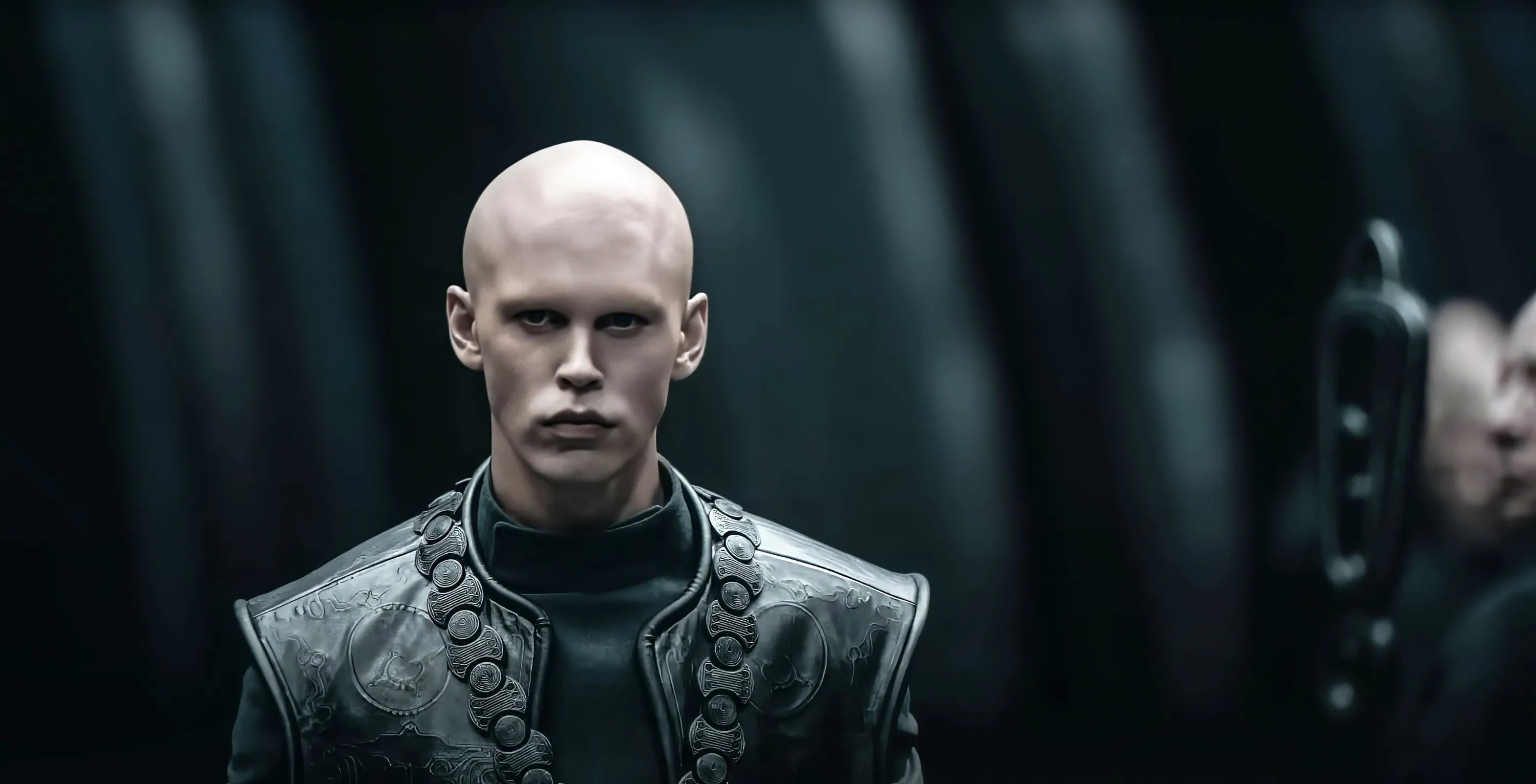
Butler’s career has been a slow, deliberate climb: Disney/Nickelodeon (Zoey 101, Hannah Montana), CW dramas (his excellent turn in The Carrie Diaries), and a brief but magnetic turn as a Manson Family member in Once Upon a Time in Hollywood. Then came Elvis, where he inhabited the King so fully that the accent lingered for months after. His Dune: Part Two transformation into Feyd-Rautha was deliciously sinister. In Ari Aster’s Eddington, where he plays a cult leader, there’s an easy, persuasive control at work.
Butler excels at on-screen wooing. He falls into confidence like it’s muscle memory. He’s all dreamy-eyed persuasion and assured charm, the guy you assume will own the room. Joe in Deep Cuts is not that, initially. When we meet him, he’s very much a work in progress. The charisma is there in flashes, but it’s unshaped and soft around the edges. Playing that in-between space—the not-quite-finished version of someone we believe could become magnetic—will mean Butler has to recalibrate.
Director Sean Durkin (The Iron Claw, Martha Marcy May Marlene) has a gift for coaxing unexpected depth from actors. Zac Efron’s aching turn in The Iron Claw was worlds away from his earlier work. If anyone can help Butler step out of the movie-star armor long enough for us to believe in an unfinished Joe, it’s Durkin.
The Rock Star Parallel and the Shadow of Elvis
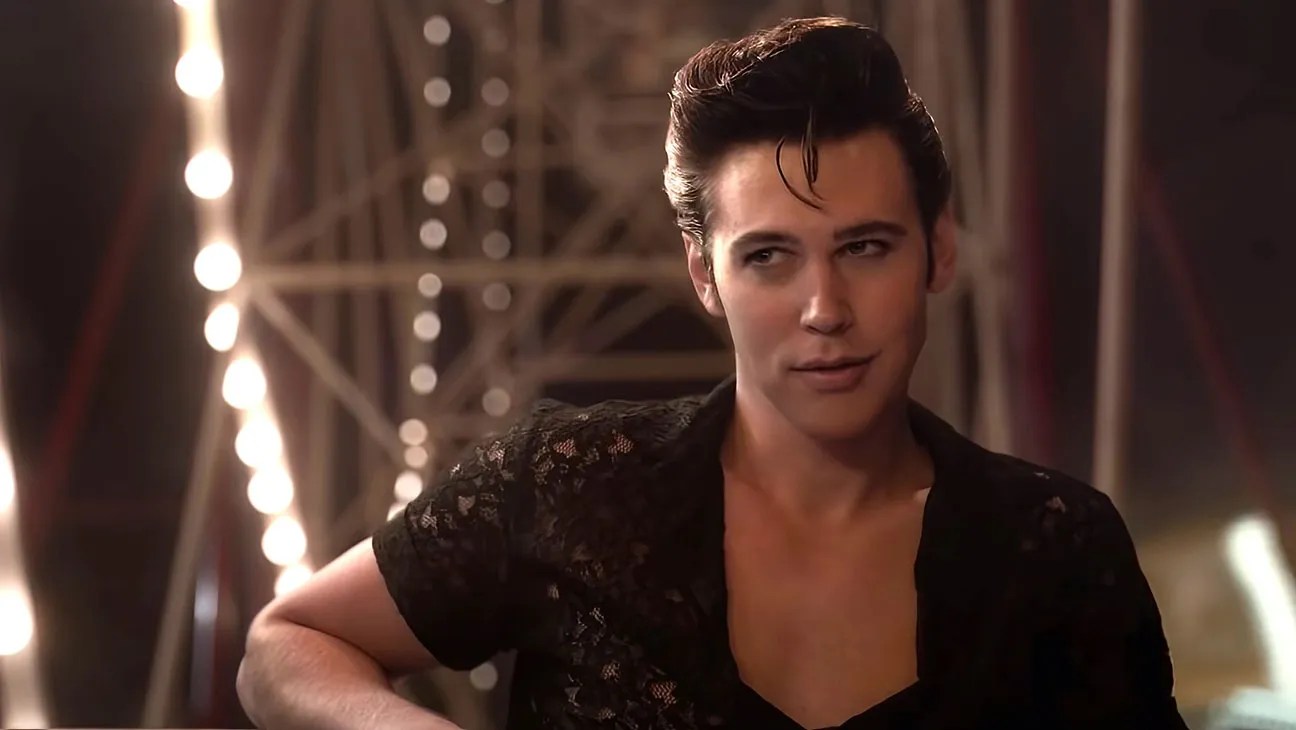
There’s another layer of risk: Joe is an indie-rock musician, singing, writing, and performing his own songs (sometimes in the intimacy of a living room, sometimes under stage lights), which means the Elvis comparisons will be impossible to avoid.
The differences are stark, though. Elvis was all mythic scale: stadium crowds, rhinestone suits, hip-shaking and the transformation into an icon. Joe is a Connor Oberst–type: a mop of black hair, thrift store jackets, performing in half-empty bars, songs written at 2 a.m. in cramped apartments. The trick will be getting audiences to forget Butler’s Presley entirely and believe in Joe’s smaller, more intimate gravitational pull.
The Meet-Cute That’s Actually a Test

The first time Percy and Joe really talk is at a bar. She’s seen him around campus, but they’ve never spoken. He overhears her mindlessly singing Hall & Oates, and suddenly they’re knee-deep in a music conversation about perfect songs vs. perfect tracks. Joe gets pulled away, but he eventually comes back to ask her to name one that’s both.
Over beers, they gab nonstop until closing time, and she feels relieved when he mentions his devotion to his girlfriend. Because the idea of him being single is a door she isn’t ready to open. At the end of the night, he asks for her thoughts on a song he’s written. It’s a moment of connection, which serves as the foundation for everything that follows.
On screen, that scene has to do a lot. It has to make the audience believe these two people could be creative soulmates. It has to sell the idea that this language they speak—niche music references and shared obsessions—is as intimate as any physical attraction. If Butler and Ronan can’t make us feel that, the rest of the film collapses.
On the page, Percy’s voice dominates; on screen, Joe will need to match her in depth and dimension for their connection to matter. If Butler can fill in those silences with something that feels true, Deep Cuts could become more than a romance or a music film. It could be the rare story that captures how creation and connection feed each other, and how the right person at the right time can change the way you hear every song that comes after.


Leave a Reply