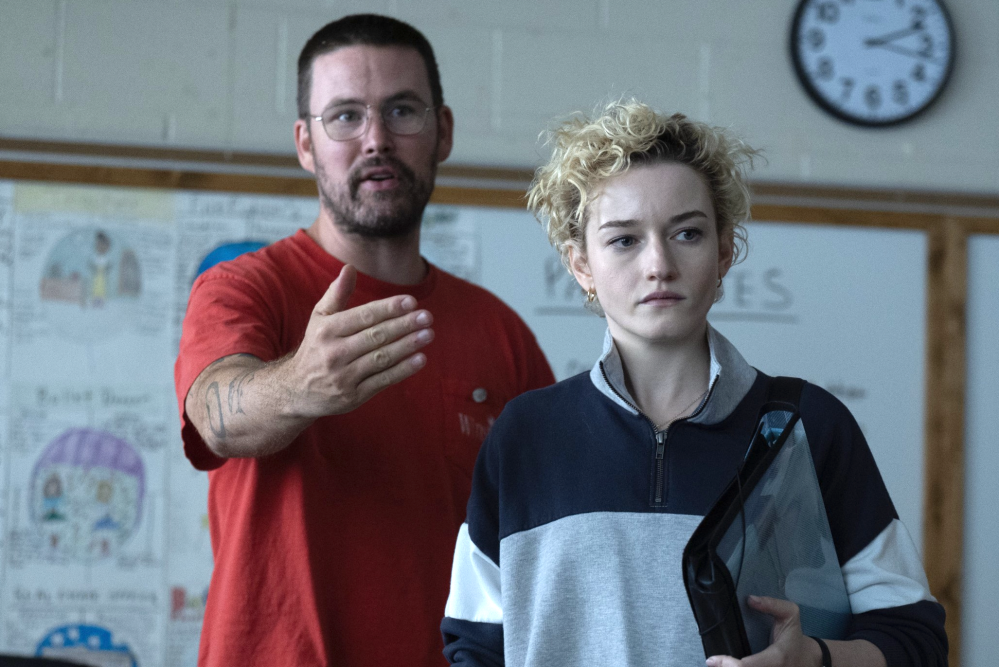
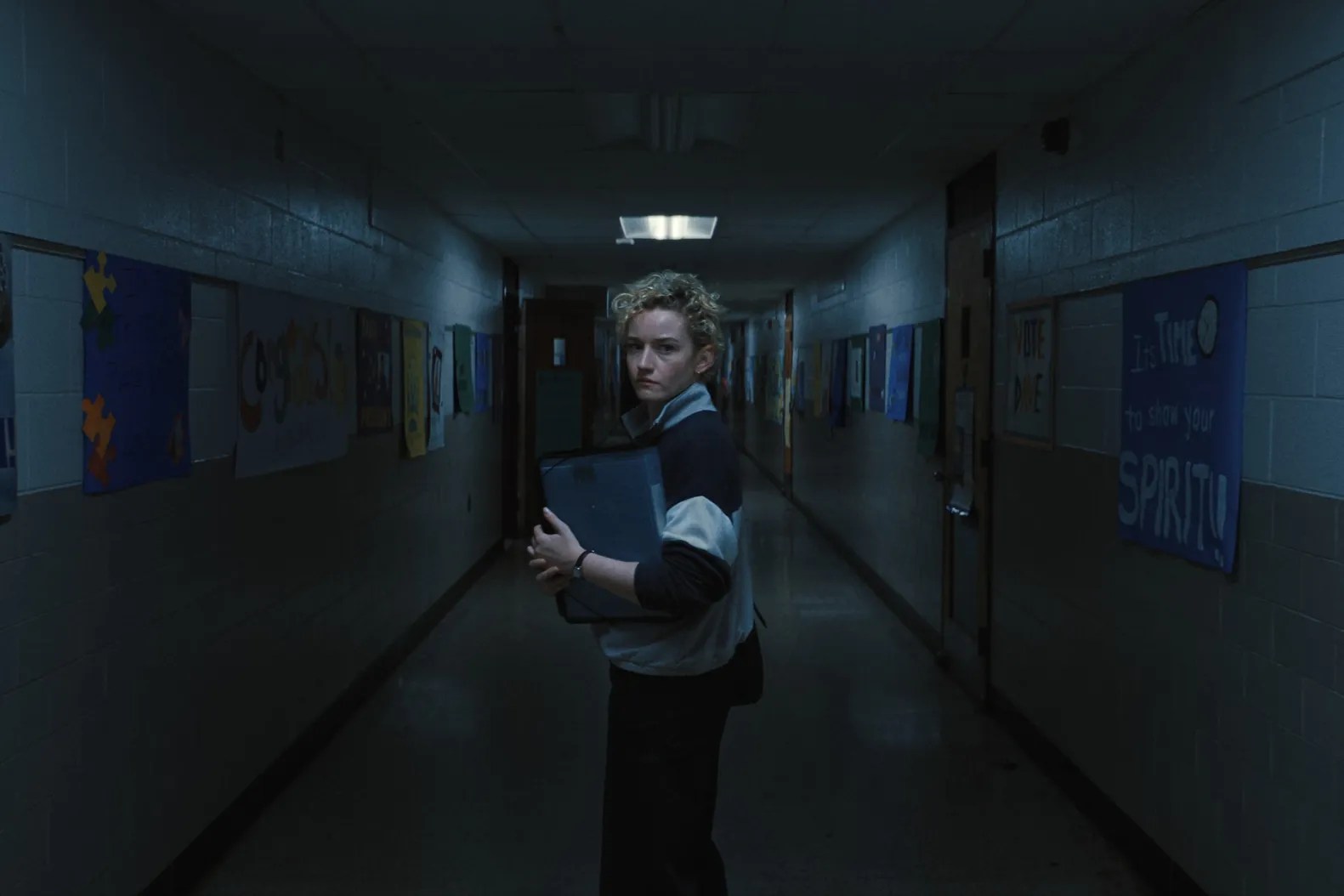
I can’t stop thinking about Weapons, the latest horror genre-bender from Barbarian director and Whitest Kids U’ Know co-founder Zach Cregger. The film is layered with mysteries and intersecting storylines and themes that lend themselves to about a million and a half interpretations.
This means one thing: My post-viewing research was absolutely soul-satisfying. And now I’m gonna share all behind-the-scenes details, hidden facts and Easter eggs I dug up with you.
And here’s one more to keep an eye on: according to The Hollywood Reporter, multiple sources say Warner Bros. and New Line are already talking with Cregger about a possible Weapons prequel exploring the origin story of Aunt Gladys, Alex’s aunt. Cregger had included a chapter for Gladys in the script but cut it for length.
Now that the movie is raking in the moolah—and fans are buzzing about Auntie G’s mysterious origins—I’m guessing that the WB execs know they have a potential hit sequel on their hands. But Kregger is booked and busy with the Resident Evil remake and considering whether to tackle another original sci-fi script or Henchman for DC.
Prequel rumors aside, I can’t wait to rewatch Weapons with all of this new info I unearthed in mind. Hopefully, it deepens your appreciation for what Cregger and his cast and crew were able to pull off.
Minor spoilers ahead – let’s go!
1. In Memory of a Dear Friend
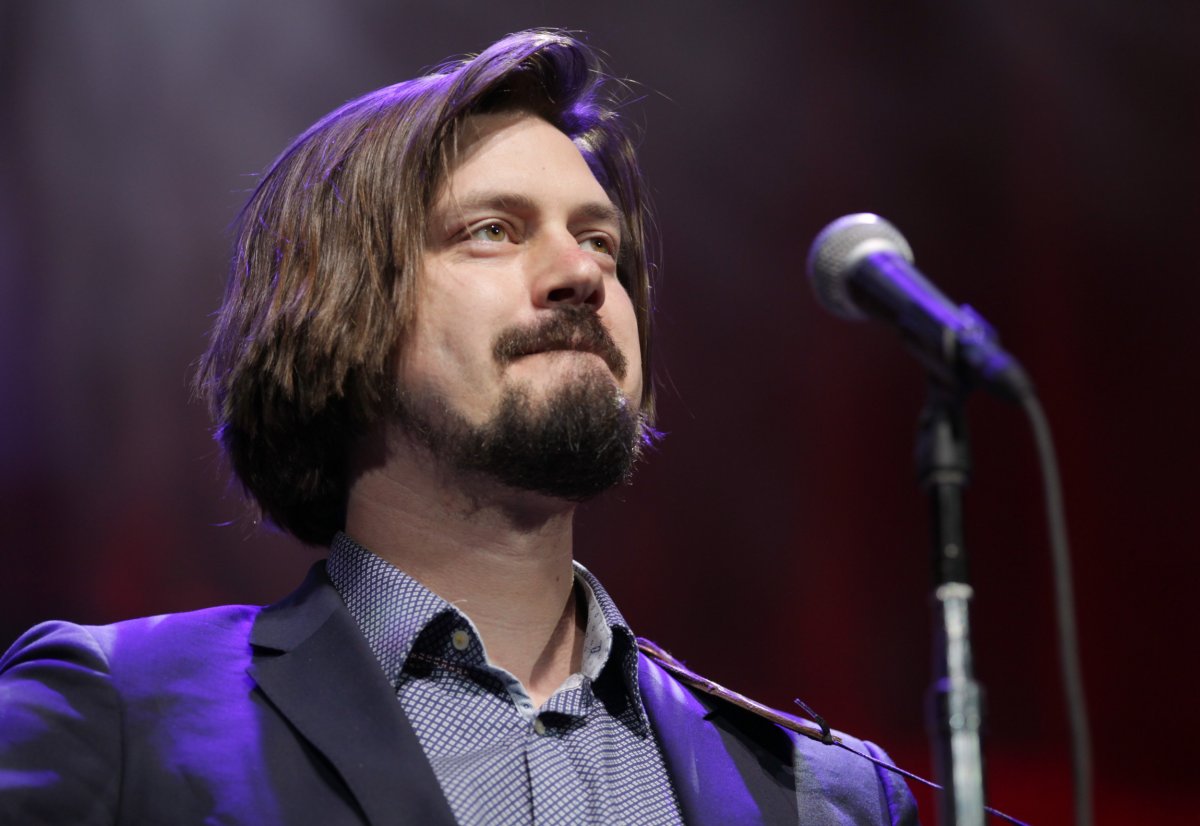
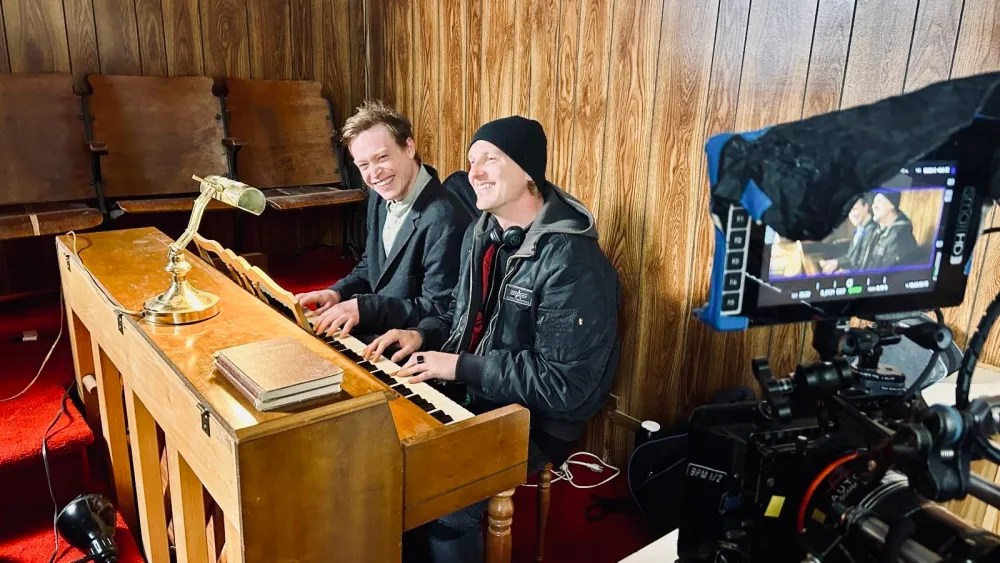
Grief is a common theme in horror, especially over the past few years, but for Weapons, it was a driving force in its creation. Cregger began writing to soothe himself after the sudden, unexpected loss of his best friend and long-time collaborator, Trevor Moore (The Whitest Kids ‘U Know, Miss March) in 2021. And Weapons was born from those therapeutic writing sessions.
Cregger told The Hollywood Reporter: “I was in post on Barbarian, and my best friend died in an accident that was really hard to understand. [Writing] was just like an emotional reaction to that. I was spared, because of my emotional pain, of writing from a place of ambition. I was writing from a place of catharsis. Writing where the process is the reward. Not to write a movie, not to write my next project, but to write because I needed to get this venom out. I started typing; I had no idea what the story was going to be. I literally went line by line.”
The highly anticipated film was released on August 8, 2025, to mark the fourth anniversary of Trevor Moore’s passing on August 7, 2021.
2. The Multiple Meanings of 2:17
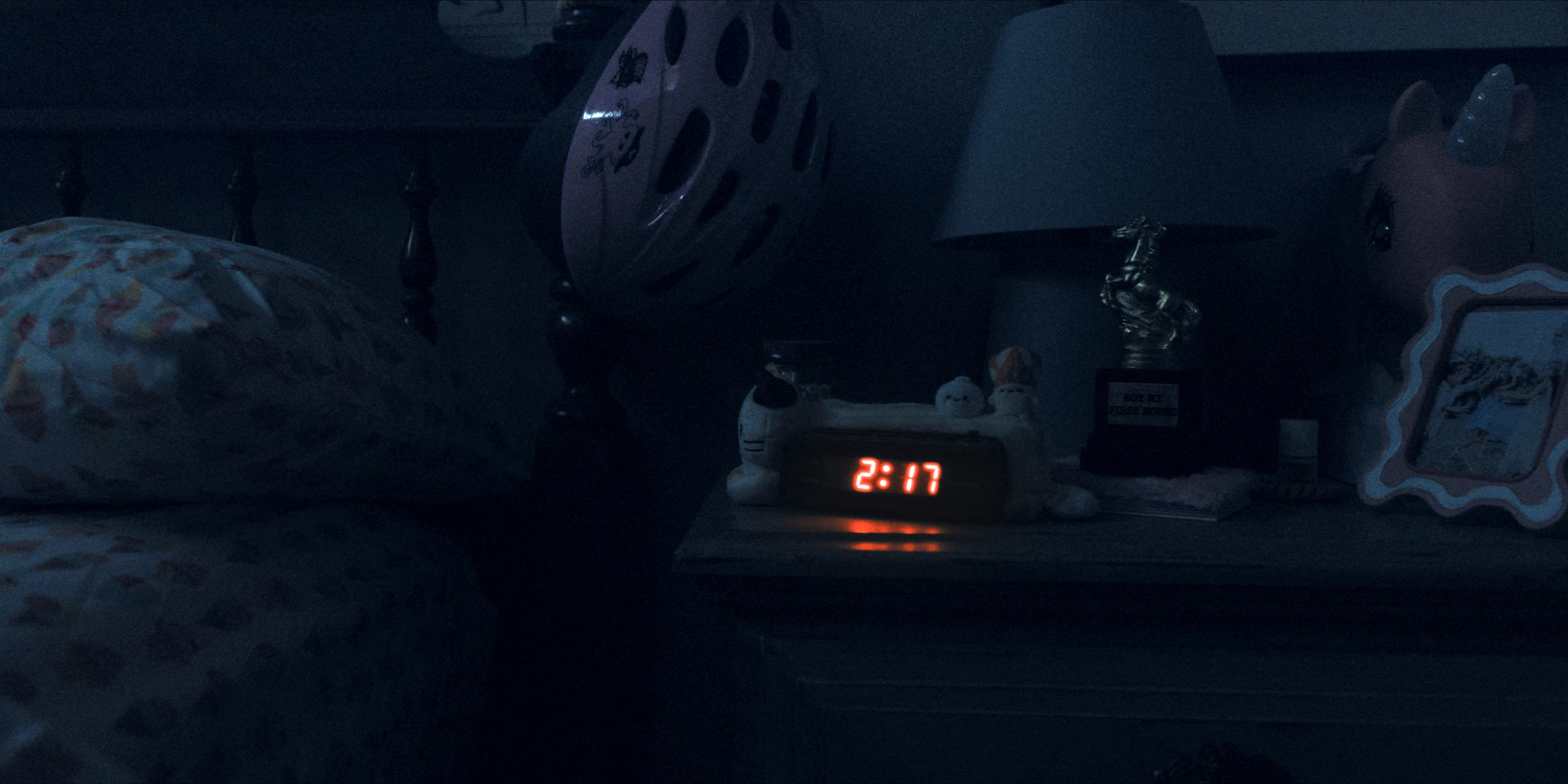
The numbers 2:17 play a central role in Weapons, and there are a ton of theories about their significance. It’s the exact time when all 17 children ran from their homes and disappeared on that fateful night. And Cregger said he’s not quite sure of the meaning himself. Let’s break down some possibilities:
Classroom ratio: Seventeen children from Ms. Gandy’s third-grade class went missing, and from that entire class, only 2 people, Alex and Ms. Gandy, remain. 2:17.
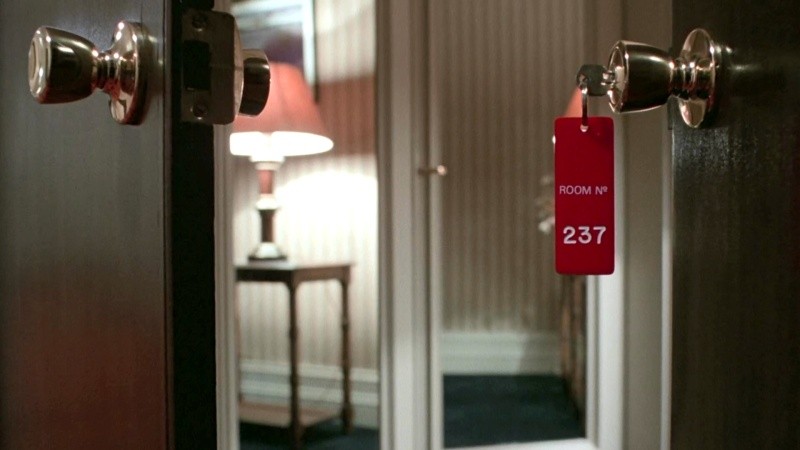
The Shining: The number also has a symbolic tie to the master of horror. In Stephen King’s The Shining, room 217 is where the infamous events unfold. There are a few shots in the third act that reference some notable moments from the Kubrick adaptation. “Subconsciously, 2:17 has to have come from that,” Cregger told Cinemablend. “It has to. And look: I’m a Kubrick guy when it comes to The Shining; I definitely worship that movie, and I thought of changing it to 2:37. But then I was like, ‘You know what? My first impulse has got to be the one I stick with,’ so I kept 2:17.”
Parkland shooting: While Cregger has explicitly denied that Weapons is intended to reference school shootings, there are undertones throughout the movie that echo the horror of these tragically ubiquitous events, with at least one unsubtle metaphor that directly points to that theme. Some fans have drawn a connection between 2:17 and the real-life loss of 17 students and staff members during the 2018 Parkland school shooting in February 2018, the second month of the year, during the 2pm hour.
Gun reform: The numbers could refer to two different bills that once shared the label H.R. 1808. The first bill, from 2017 (217?), aimed to boost protections for missing and exploited kids, passed the House, fizzled out, and left its mission unfinished. The second, from 2022, was the big Assault Weapons Ban push, which squeaked through the House by a nail-biter 217–213 vote. That’s right, 2:17, right there in the roll call.
Getting biblical: Also, some fans have connected the number 2:17 to the Bible, specifically Matthew 2:17, which reads, “Then what was said through the prophet Jeremiah was fulfilled: ‘A voice is heard in Ramah, weeping and great mourning, Rachel weeping for her children and refusing to be comforted, because they are no more.’” This verse reflects the sorrow and mourning over the loss of innocent lives, specifically, the children killed by King Herod in an attempt to wipe out the newborn King of the Jews. And Archer’s son, who is Alex’s bully, is named Matthew.
3. A Twisted Alternate Ending
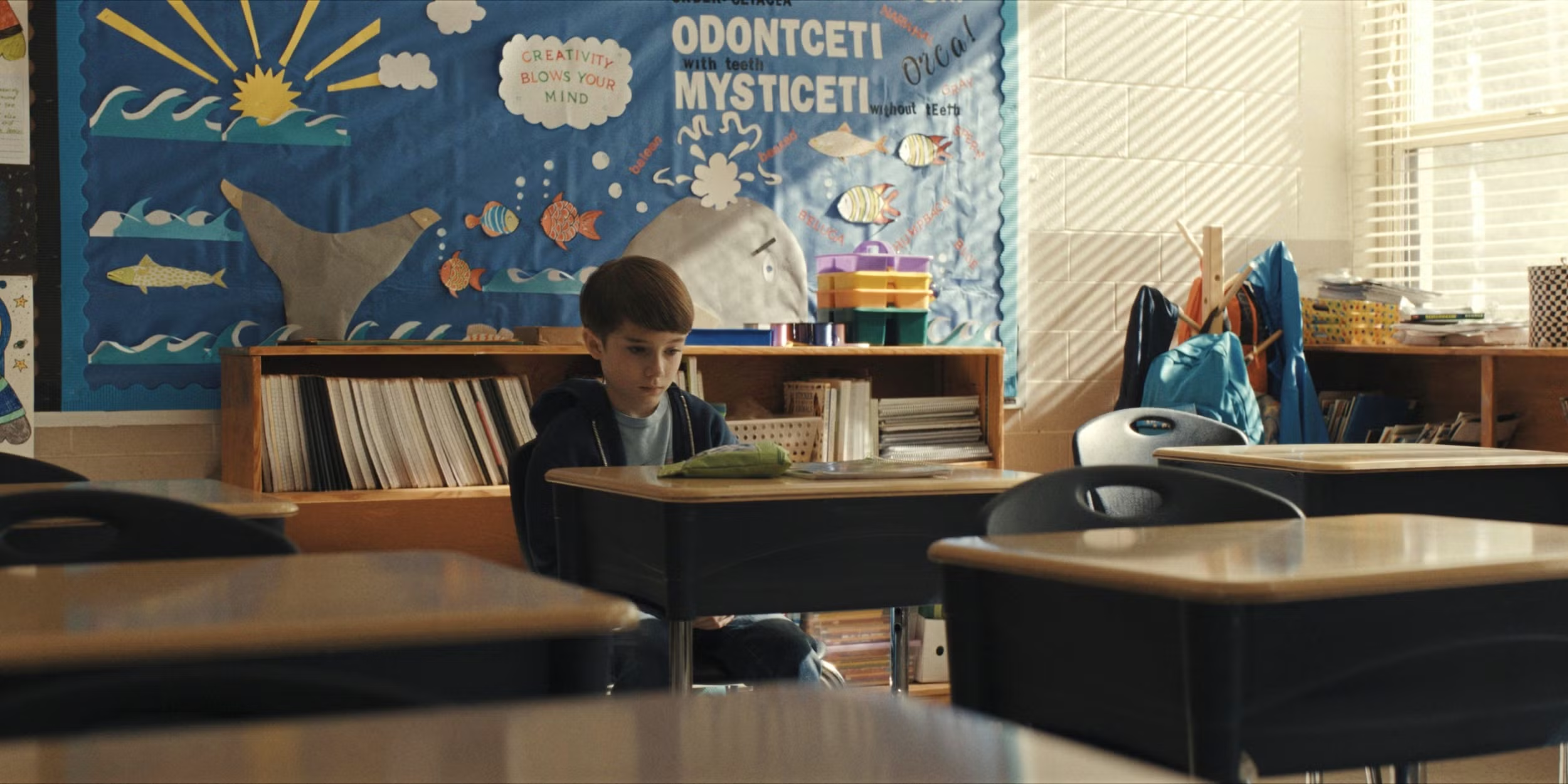
Cregger originally envisioned a more action-packed conclusion for the film, one where Alex and Ms. Gandy use witchcraft to recruit a team for a climactic showdown with Gladys (which wouldn’t’ve worked, but I still kinda wish they’d filmed it and made it a DVD extra.)
“I had an idea—this is kind of spoiler territory—but that Mrs. Gandy and the kid were gonna go and get their ideas… they were gonna use the tree,” Cregger told CBN. “They were gonna go collect people to be their little army, and then they were gonna showdown with Gladys and her little army. So we would have had a gang war at the end, and I really thought that’s where I was going to go.”
This showdown ending was ultimately scrapped, but we almost had an even quieter final scene. Cregger told Screenrant, “There was no voiceover, and we just ended on the kid’s face. The lights went out, and ‘Written and directed by Zach Cregger’ came up. A woman in the theater actually shouted, ‘What the f*ck?’” After that reaction, Cregger and the team added the little kid narration to provide a more definitive conclusion.
4. The Personal Inspiration for Alex’s Home Life
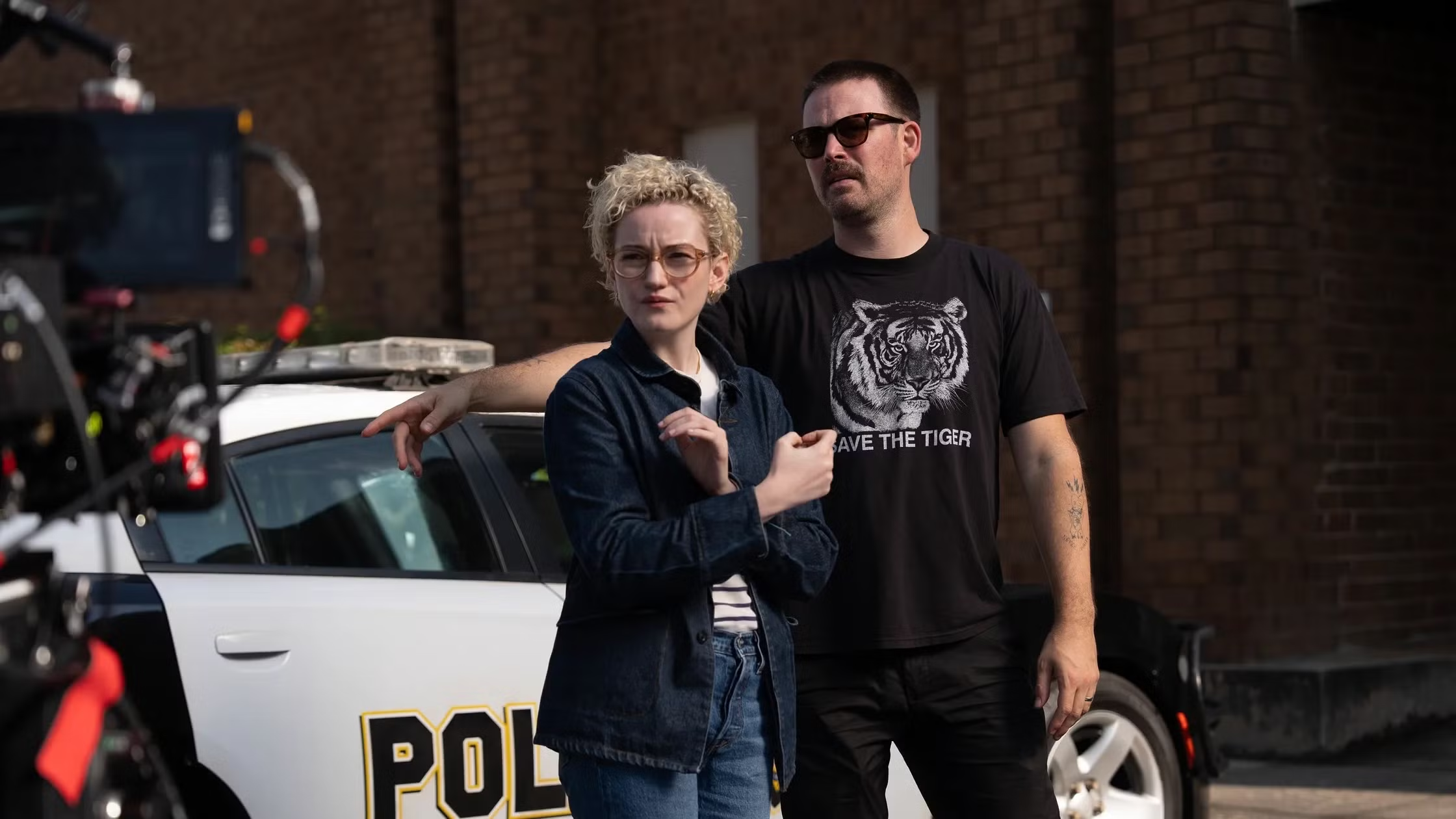
In a conversation with Slashfilm, Zach Cregger revealed that Alex’s life (once Gladys enters the picture) pulls elements from his own upbringing.
“That is straight-up, like — I lived that chapter as a kid,” he says. “Again, I don’t know if people need to know this going in, but… it’s very much what it’s like to have a parent who’s an addict, and the child has to become the caretaker as this sort of foreign thing comes in, and…I’ll leave it at that.”
5. Did Gladys’s Brooch Reveal Her Power Levels?
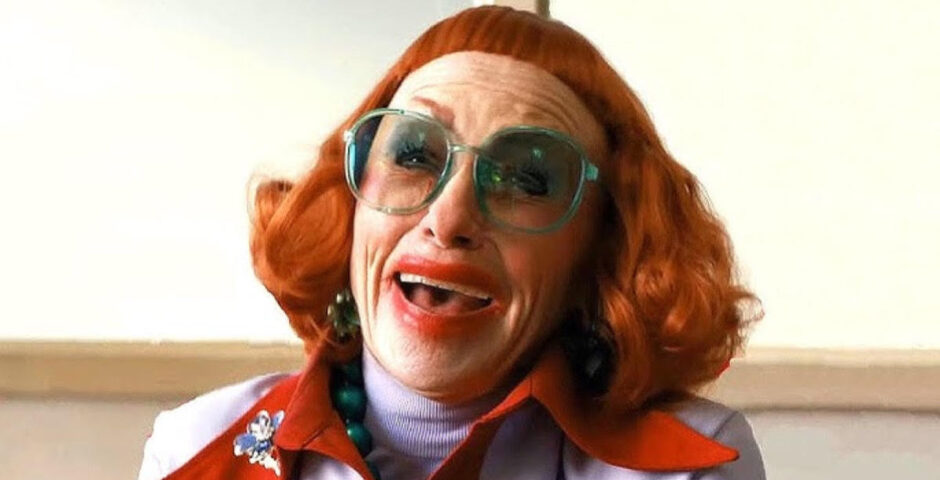
Aside from her hair, which evolves from a few strands to thin braids to nearly full by the climax, there’s another possible way to gauge Aunt Gladys’s power level.
Content creator DawsOnScreen has an excellent theory that makes a ton of sense: watch the flowers on her brooch. Throughout the film, Gladys wears different floral pins. When she’s weakened or ill, the flower is closed; at full strength, it’s fully bloomed; and when it’s only half-open, she’s in need of another “feeding.” So the next time you watch the film, keep an eye out for those blooming brooches.
6. The Iconic Running Form Is Not an Homage to Naruto
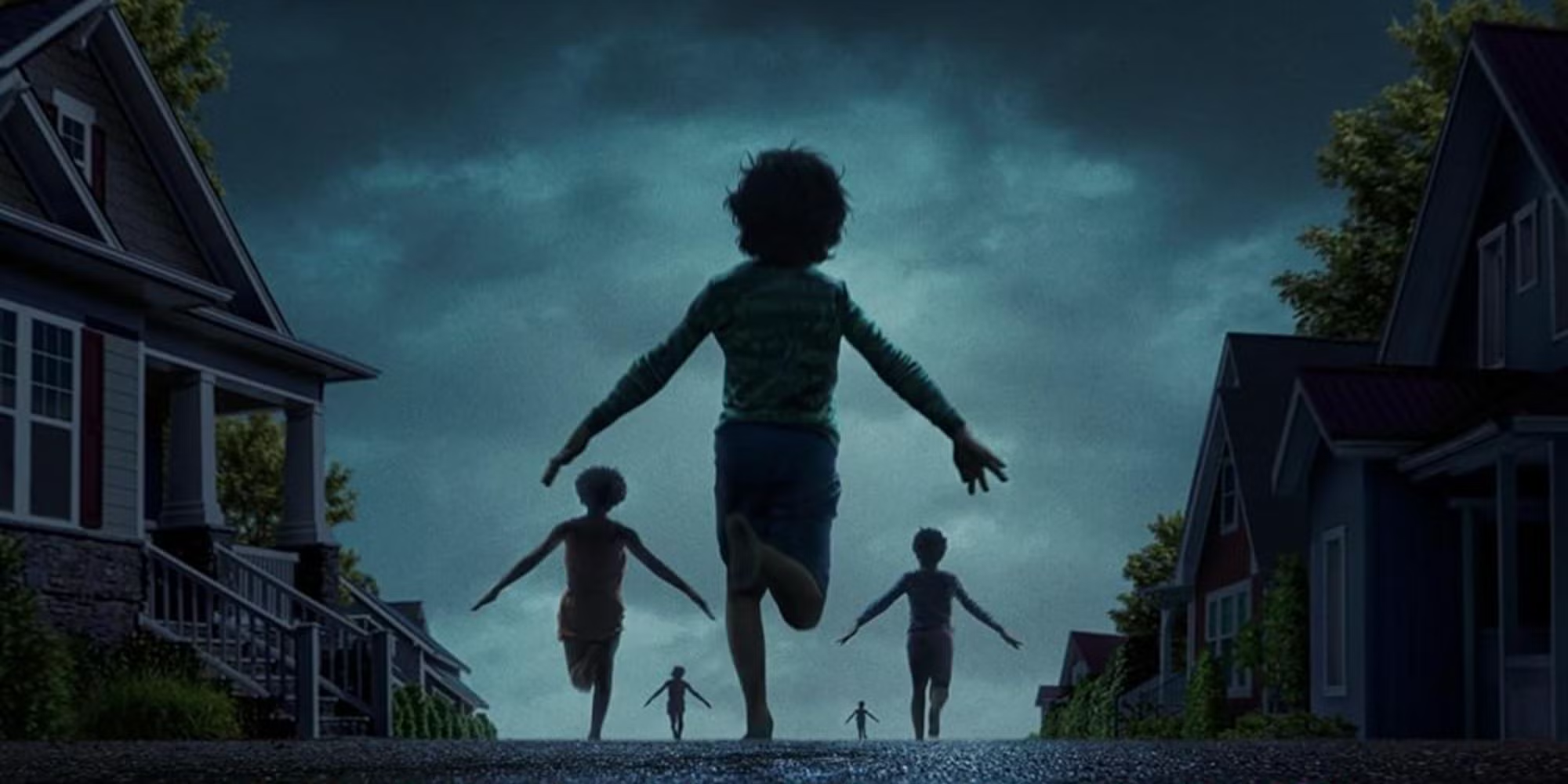
One of the most haunting images in Weapons is the sight of the children running with their arms flanking their sides in a V-shape. While some fans have jokingly compared it to the Naruto running style, the script actually paints a much more unsettling picture.

It describes the scene as: “Every child RUNS ACROSS THE YARD with the same CURIOUS POSTURE—body erect, ARMS OUTSTRETCHED in a downward V, like someone holding heavy bags. They run like the naked Vietnamese girl covered in napalm from that iconic photo.“
This run is purposefully reminiscent of the heartbreaking Pulitzer-Prize-winning photograph of Phan Thị Kim Phúc, a young Vietnamese girl fleeing a napalm attack during the Vietnam War.
7. That Infamous Hot Dog Lunch Platter

The scene where Marcus Miller and his partner sit down to a hefty lunch of seven hot dogs—or “glizzies” as the kids call ’em—is likely a nod to a sketch from The Whitest Kids U’ Know. In that sketch, Timmy visits the doctor (played by the late Trevor Moore), who presses him to reveal his daily hot dog consumption (wink) habits.
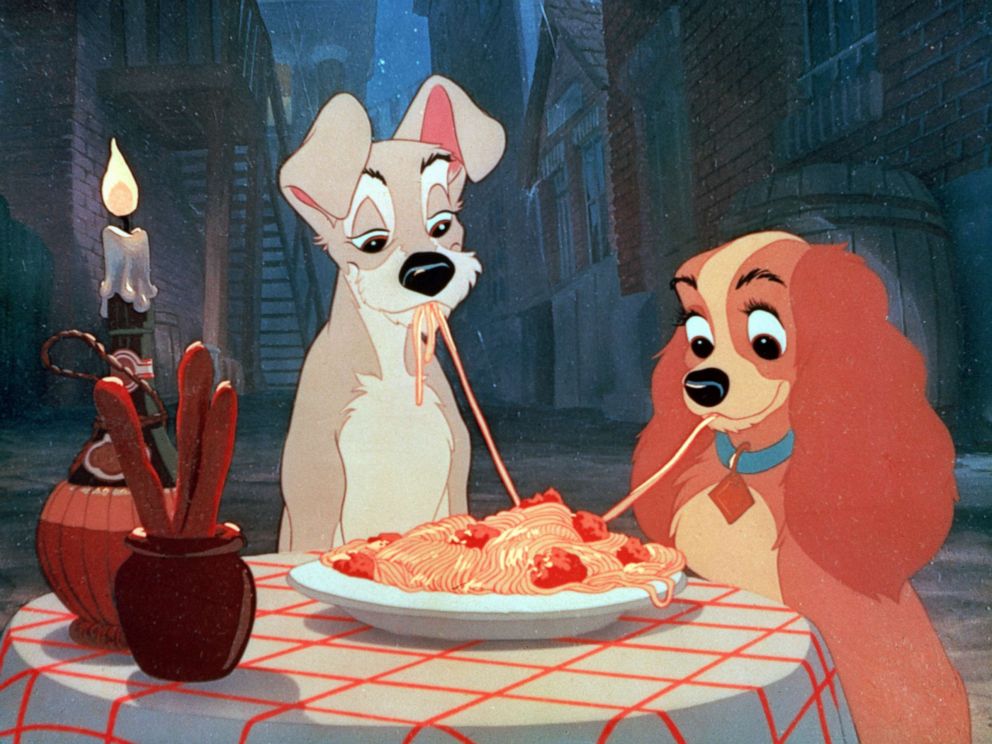
There’s a lot of chatter about the uneven number of hot dogs, with some speculating that the 7th would be enjoyed between the two like the spaghetti noodle in Lady and the Tramp. I genuinely would love to have seen that, but it’s far too bizarre to have worked in the final cut, especially given what happens in the next scene. (sob)
Side note: Maybe I was too hungry in the theater, but these are the most delicious-looking film hot dogs I’ve ever seen. I would’ve smashed that tray into oblivion and regretted it post-haste.
8. Cregger Had No Idea What Happened to the Kids… Initially
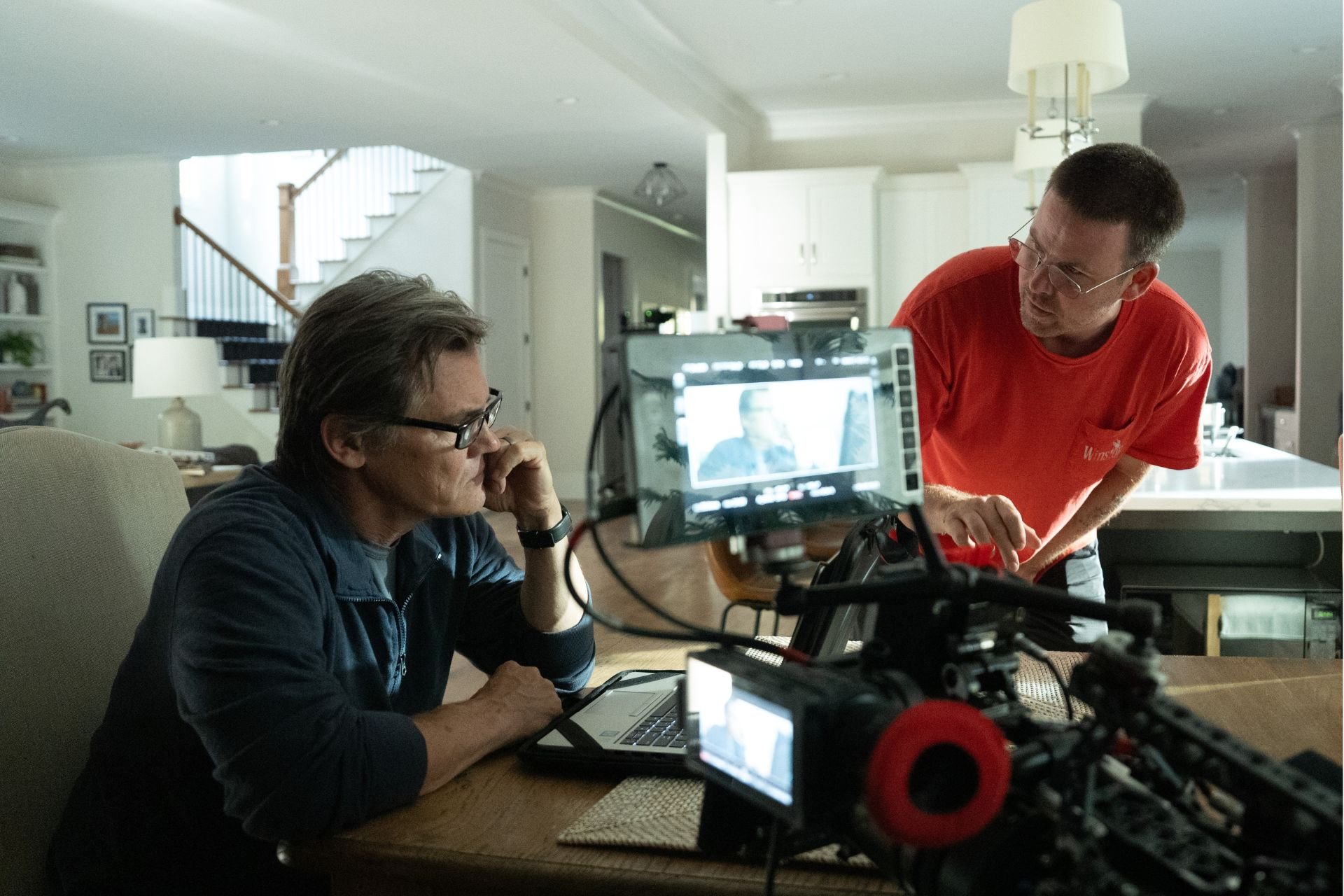
Like Barbarian, Cregger wrote Weapons without a clear outline. Taking a cue from one of his writing inspirations, Stephen King, Cregger lets the narrative inform him of where to go next. He knew he wanted to start with a teacher, then added an angry parent, followed by a cop with a mustache reminiscent of John C. Reilly’s cop character from Magnolia. From there, he introduced a man with an addiction as a counterbalance.
Cregger had the question of “what happened to the kids?” long before he figured out the answer. It wasn’t until midway through the writing process that he found the answer, much like his solo directorial debut. “With Barbarian, I had no idea there was a lady under the house until she appeared,” Cregger revealed. But with Weapons, when he had the idea for Gladys about 50 pages into the script, he felt a sense of relief.
Of course, Weapons leaves a lot of questions unanswered, like the mysterious object in the sky or Gladys’s origin story. When asked how he decides what’s enough, Cregger explained, “I think it’s better to let people have their own interpretations of these things. Your version of the movie is different than your wife’s version of the film.”
9. Cregger Doesn’t Appear in the Movie, But His Wife Does
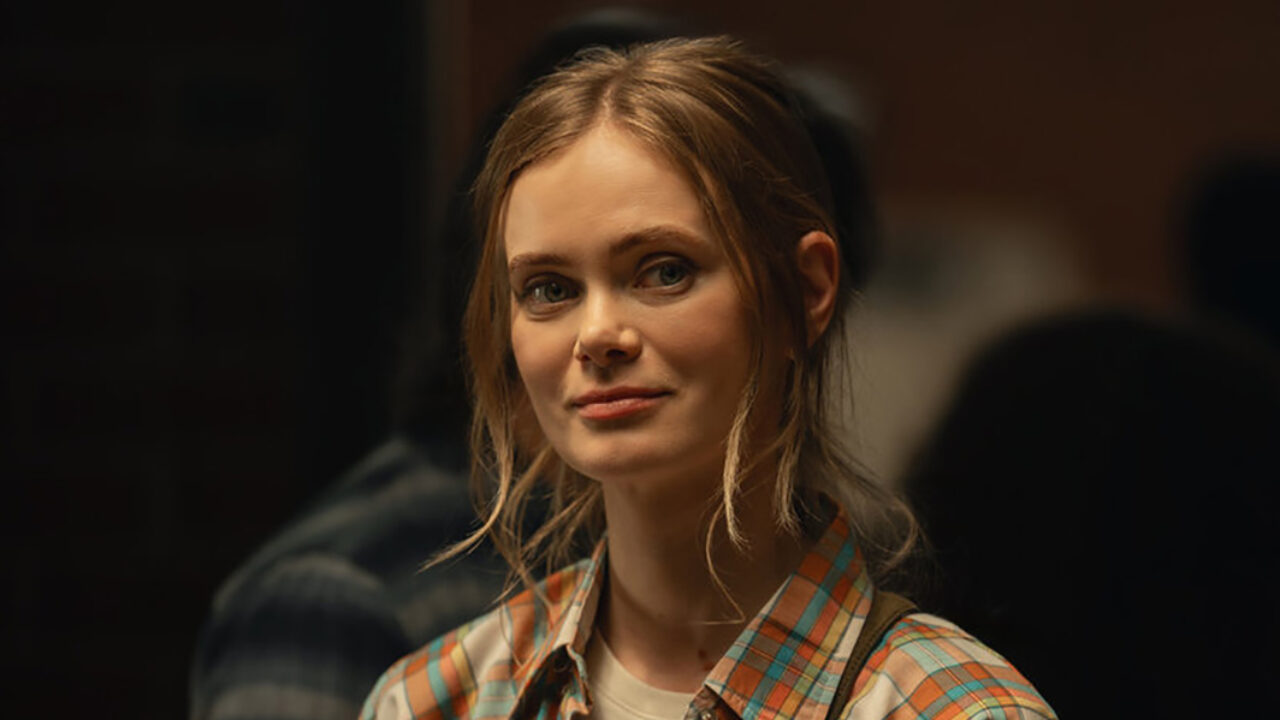
Cregger’s wife, actor Sara Paxton, makes a brief but impactful cameo as Erica, the grieving mother of another missing child and wife to Gary (played by Barbarian’s Justin Long). In my theater, the reaction shot of her watching Archer and Gary review the Ringcam footage of her daughter running away got a huge laugh.
You might remember her from the cult horror The Innkeepers, the gritty The Last House on the Left remake or lighter fare like Aquamarine and Darcy’s Wild Life.
10. The Films That Shaped ‘Weapons’
Cregger cites PTA’s Magnolia as a major influence on Weapons, but there are many others. “Yeah, Magnolia is a big one. And obviously, if I reference Magnolia, then I’m kind of referencing Nashville and Short Cuts because they’re so linked,” Cregger explained to Slashfilm. He also mentions the Tarantino film that made him rethink traditional structure. “[Pulp Fiction] really inspired me so much as a kid to think about structure outside the box.”
Magnolia stands out because it’s a big ensemble film that embraces its epic, sometimes jumbled nature. “It paints with all these different colors, but it has such a specific palette, and it’s sad and it’s funny and it’s everything. I just love the audacity of that movie.”
Other influences include Hereditary, Picnic at Hanging Rock, The Virgin Suicides and Prisoners.
11. The Haunting Image in Archer’s Dream

In one of Weapons’ most surreal images, Archer dreams of a giant assault weapon floating over a house, a moment Cregger calls “very important” yet admits he doesn’t fully understand. He prefers it that way, leaving the scene open for viewers to interpret however they want.
He told Variety: “I like the idea that everyone is probably going to have their own kind of interaction or their own relationship with that scene, whether they don’t give a shit about it and it’s boring, or whether they think it’s some sort of political statement, or whether they think it’s just cool. I don’t really care. It’s not up to me. I just like that it’s there.”
12. Strikes and Growth Spurts Caused Casting Woes
Last week, I covered the major Weapons casting shake-ups, including how the 2023 strikes forced out original stars like Pedro Pascal, Brian Tyree Henry, and Renate Reinsve. Austin Abrams—who damn near stole the whole movie as the slippery “James”—was the only actor to stay on, maintaining a drastic weight loss for over a year to play a character deep in active addiction while waiting for production to restart. (He’ll reteam with Cregger for the director’s Resident Evil remake that’s filming in Prague.)
One change that didn’t make headlines? Cregger had to recast Alex after the original child actor hit a growth spurt during the delays, with Cary Christopher stepping in and delivering a knockout performance.
13. A Helping Hand From David Fincher

The Fight Club director gets a special thanks in the Weapons end credits—and for good reason. “He’s just a very helpful guy,” Cregger told Variety. “He was available to me during prep, and then he was very available during the post process. He watched the movie, had a lot of really constructive thoughts, and gave me a ton of ideas.”
Fincher’s guidance expanded Cregger’s approach to editing, shifting him from “settling for the best take” to constantly looking for ways to improve. “Dave’s attitude is, ‘It can always be better, and there are a lot of tools at your disposal you might not be thinking about,’” Cregger said. That push led him to experiment with reframing, stabilization, and other techniques that elevated the film in ways he hadn’t considered while making Barbarian.
Fincher also weighed in on the technical side, offering advice on lens choices and the challenges of shooting anamorphic. “I shot this mostly anamorphic, and I didn’t quite respect how limiting anamorphic is in the post process,” Cregger revealed. “So stuff like that, technical stuff.”


 Danger Bowie
Leave a comment