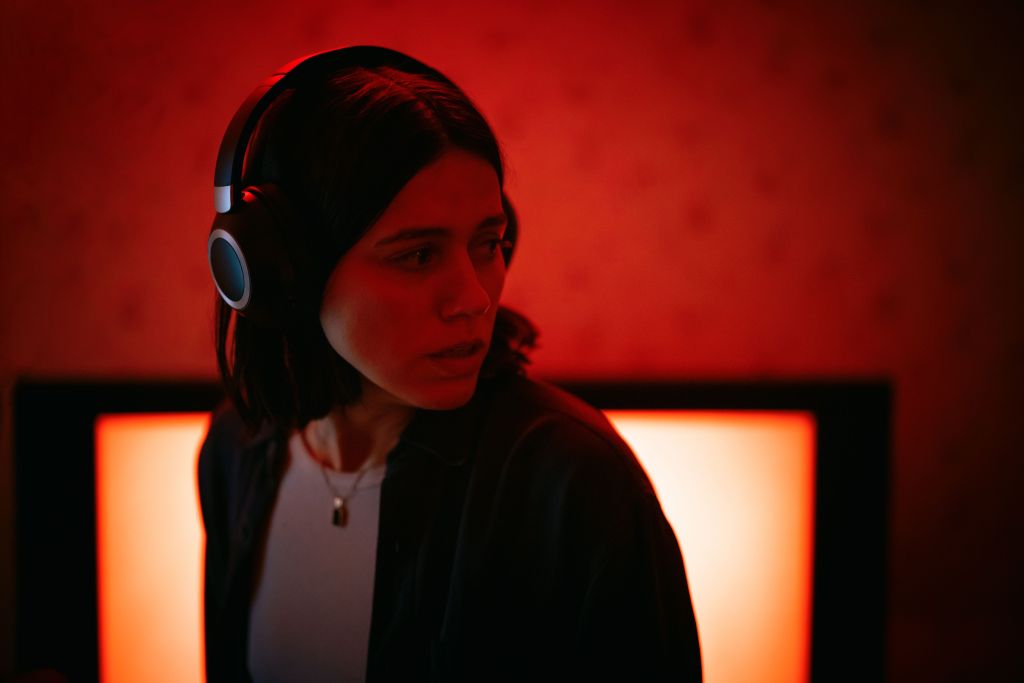
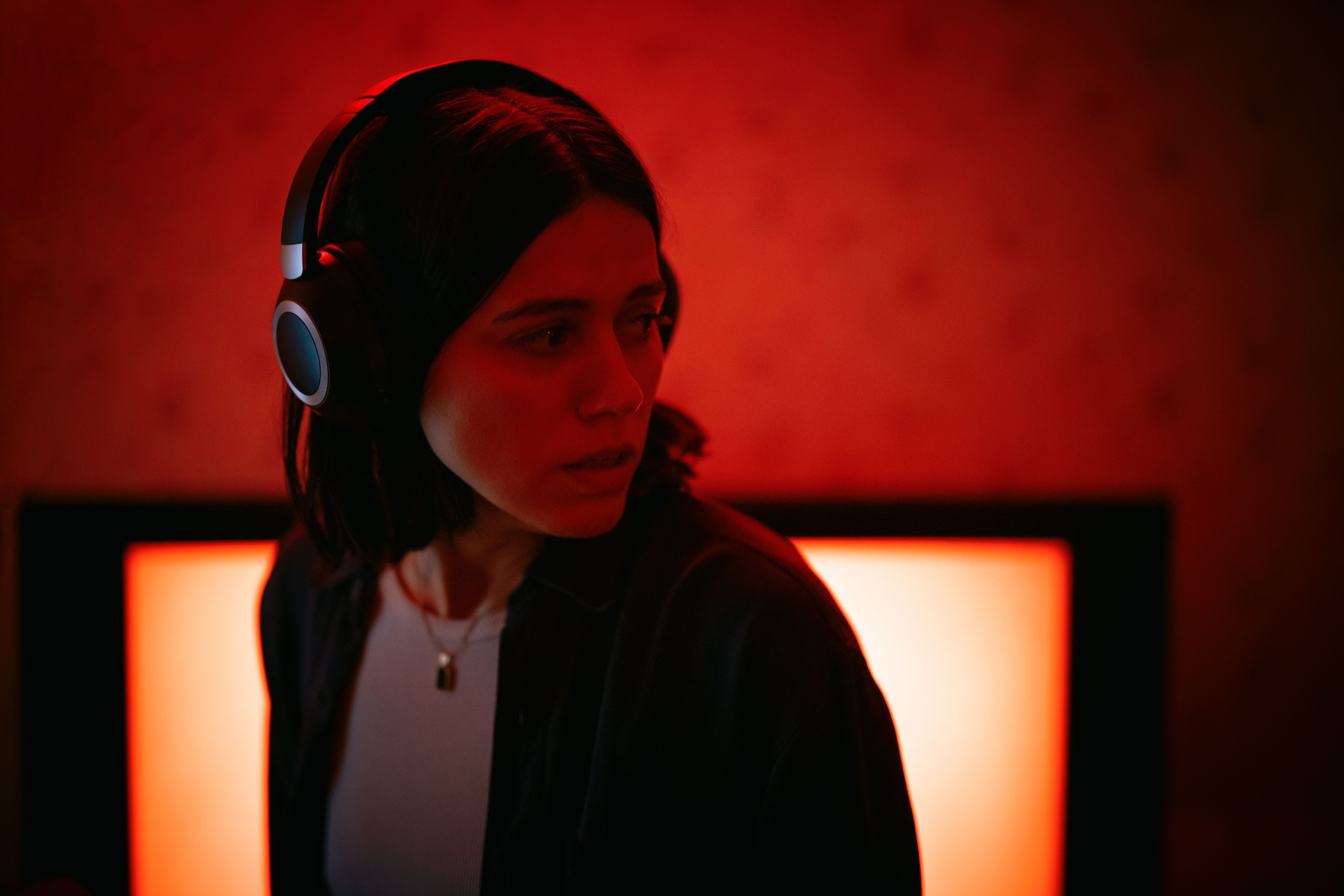
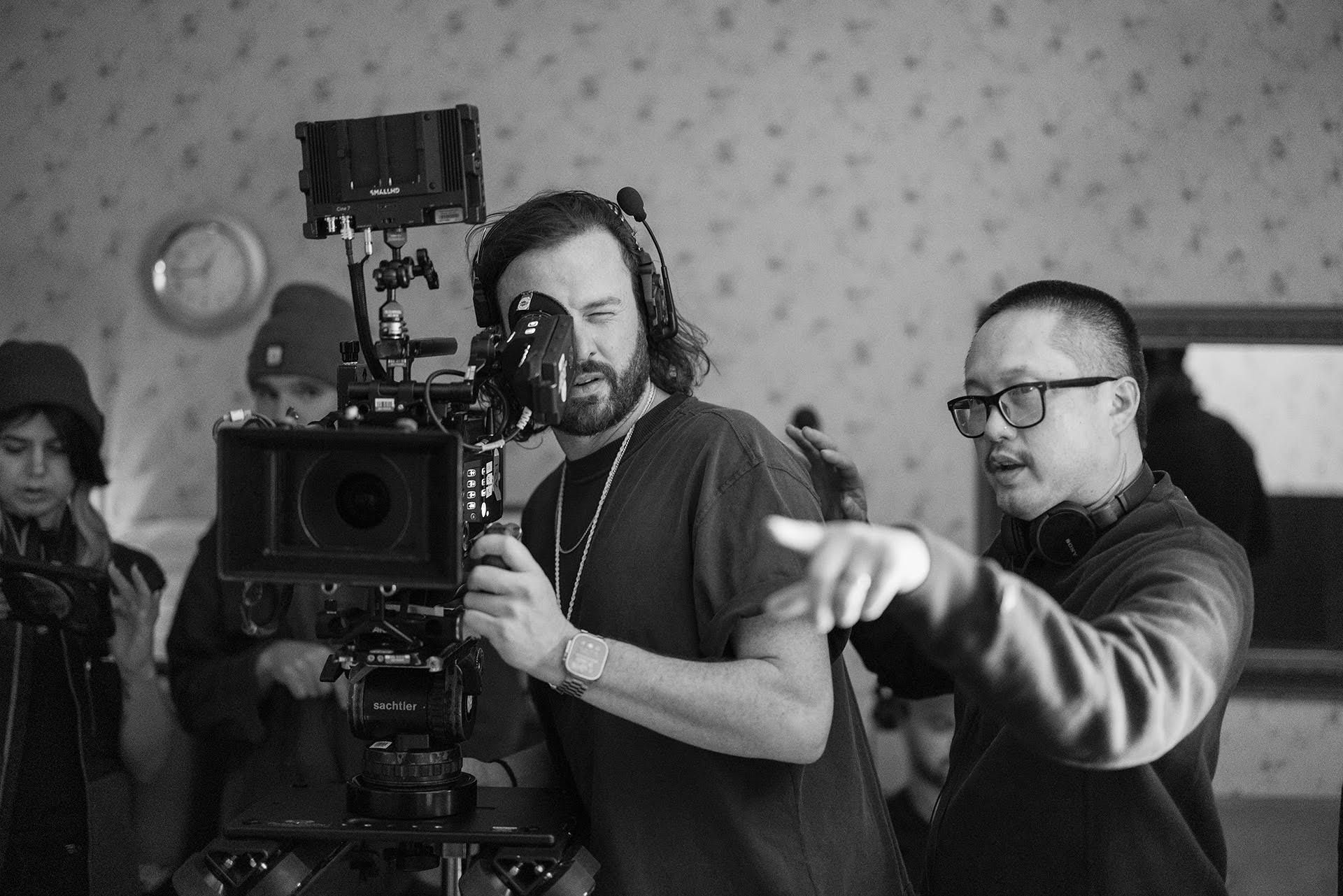
In early January 2026, TikTok ads and Instagram Reels began promoting Ian Tuason’s directorial debut, undertone as “the scariest movie you’ll ever hear.” The film was shot for $500,000 and garnered a seven-figure deal for the Filipino-Canadian writer-director. With a 94-minute runtime, the movie is inspired by Tuason’s real-life caregiving experience and was filmed in his childhood home in Toronto, adding layers to a story of grief — one of the more commonly explored themes in the horror genre.
“For that whole time, I felt trapped in my childhood home,” Tuason said in the A24 press notes. “I was drinking to numb the stress I was under — but I was also writing this movie the entire time. The character that became Evy Babic in undertone was me. I took my radio play, which was essentially Evy and co-host Justin listening to the audio files, and started writing about what happens as they encounter the recordings in real time — as podcasters.”
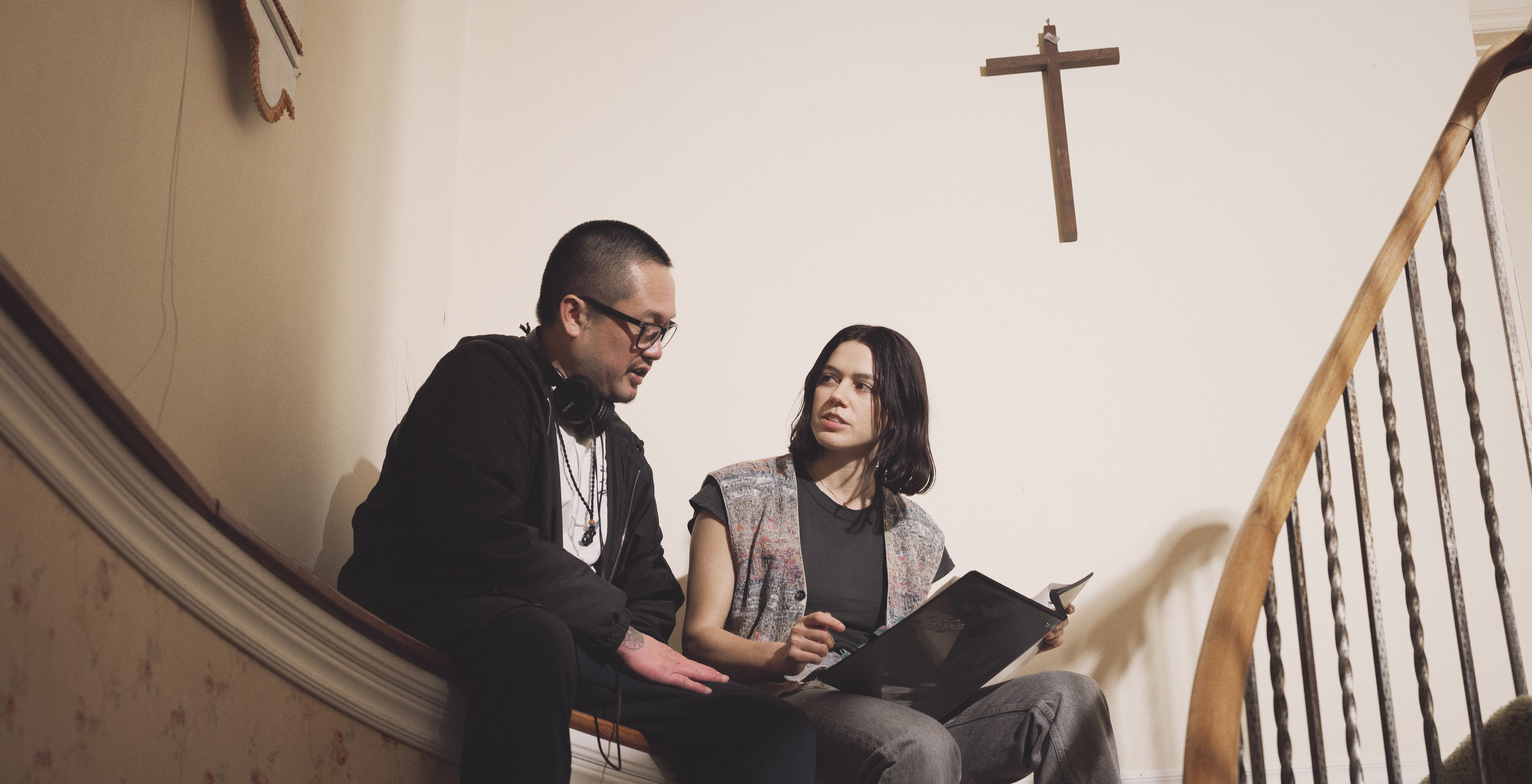
Before directing undertone, Tuason built his reputation crafting immersive horror online. His 360-degree YouTube shorts, Continuity Problems and Extreme Close Up, drew millions of views. He would go on to push immersive sound even further with the viral VR short 3:00am, which went viral and garnered nearly 10 million views. The success led to VR work for clients like Warner Bros, where Tuason honed the eerie, directional sound design that powers the shudder-inducing atmosphere of his debut film.
This kind of innovation is catnip for marketers. Distributors like A24 and NEON Rated have long relied on inventive social media campaigns for their offbeat releases, especially horror-related ones — from the cryptic clues to create buzz for Longlegs to this film being touted “the scariest movie you’ll ever hear.” This guided meditation trailer for the movie plays on that assertion:
The tactic of using hyperbolic claims — “the scariest of the year/decade/of all time”— tests audiences’ trust and attracts non-horror fans who will malign a movie that doesn’t force them to faint or soil themselves in theaters, as promised. A quick search on X and Letterboxd will reveal many frustrated viewers sharing their experiences of people laughing at the end of the movie or walking out mid-way due to a lack of scares (lack of patience).
After watching the film in Dolby, I can firmly say that the sound design is both phenomenal and appropriately hyped. It’s weaponized in an innovative way that will influence the genre moving forward. After all, sound is pivotal in horror, and in some cases, plays a bigger role than the images on screen: creaky floors, slamming doors, banging, demonic voices and terrifying shrieks, juicy stabbings, bones crunching and the manipulation of silence before any of these audible elements.
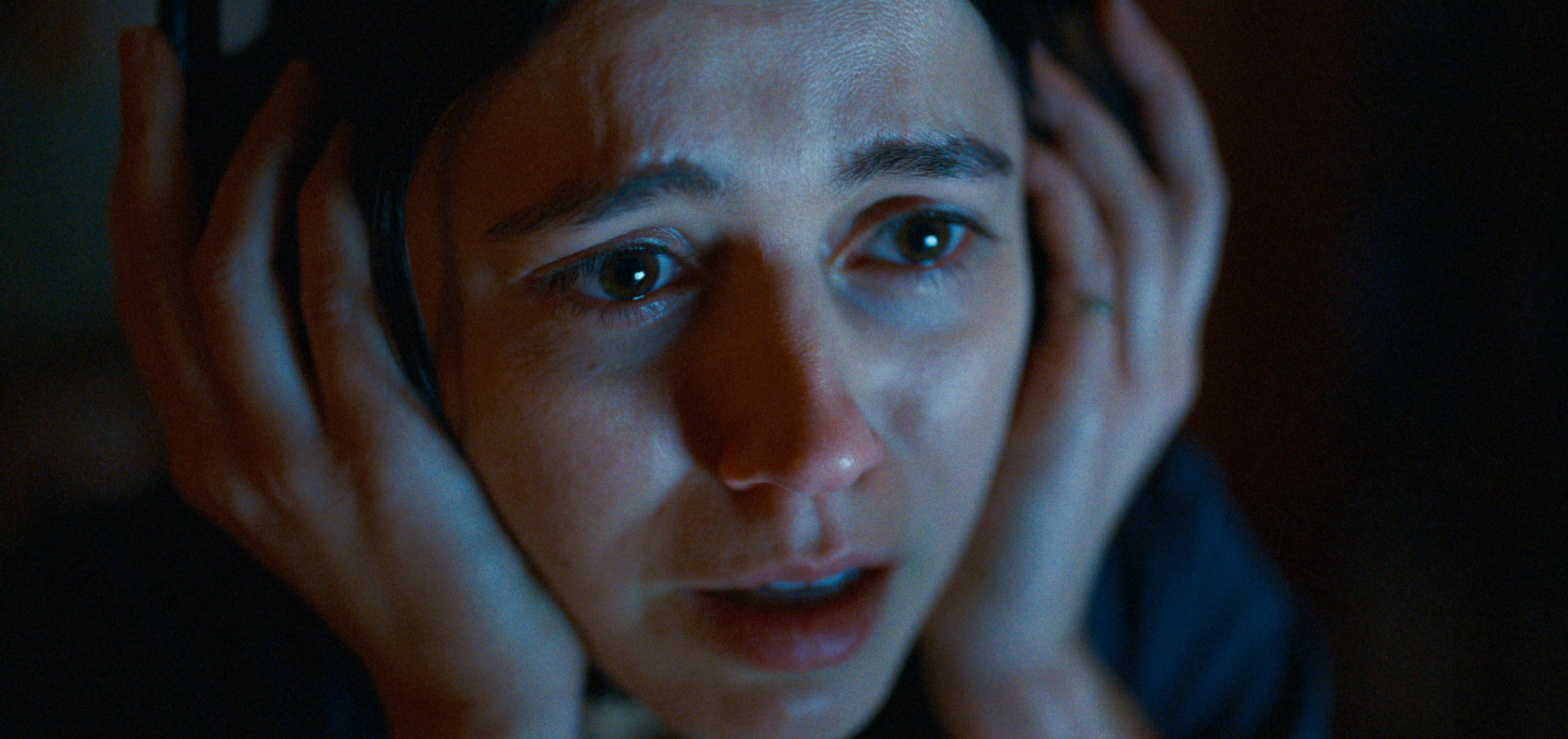
Comedy scripts chase laughs by the page, but in horror, the pace is slower and more methodical as you create tension, almost like a tea kettle approaching a boil, which is actually used in the film for that purpose. You put the audience in a pressure cooker, building unease, escalating the tension to a visceral moment or jump scare, then there’s a release. Then you begin bringing the tension to a boil again, maybe a little sooner than the last time, for an unpredictable scare, or you breadcrumb clues so the audience clearly sees the path forward but can do nothing but brace for the moment of impact.
But within that slow escalating journey, it’s important that we, the audience, understand your character and that their surroundings and circumstances are grounded in the world you’ve created. This is my major issue with undertone.
The film follows Evangeline “Evy” Babic (Nina Kiri), a young woman who has moved into her childhood home — which is filled to the brim with Catholic iconography — to care for her dying mother, a devout believer, who is in the final stages of her life. Evangeline’s name literally means “bringer of good news,” an ironic moniker given her devout mother and the haunted house she inhabits. Instead of comfort or “good tidings,” the podcast she co-hosts with her friend from across the pond spreads supernatural horrors.
Evy has a boyfriend, Darren, who lives in their apartment somewhere within driving distance. We never see Darren, and we never see Justin, but we hear them. This is found audio footage horror after all.
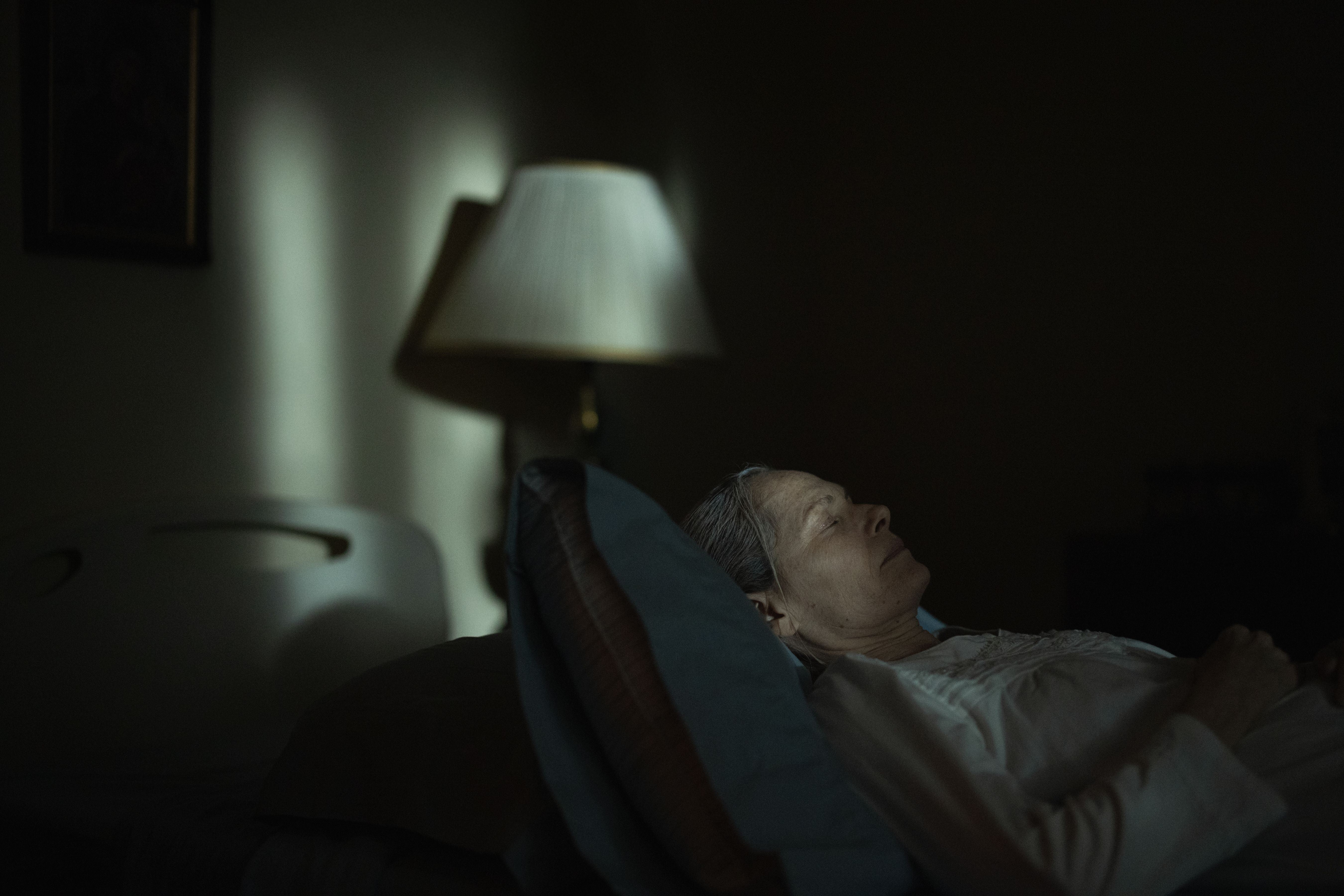
When we meet her, Evy’s having trouble sleeping, which, coupled with Justin’s time zone differential, is why they record the podcast at 3am Evy’s time. Obviously, this works on multiple levels for the horror genre: 1) it’s the witching hour, 2) she’s sleep-deprived, which makes her prone to hallucinations, and 3) older houses get real creaky in the middle of the night when everything else is quiet. The lack of sleep, compounded by guilt and grief, makes Evy an unreliable narrator, so we can’t really trust anything that we see, as it’s all from her POV, and her comatose mother is the only other human we see in the film.

Now their podcast, The Undertone, focuses on supernatural videos and recordings, including creepypasta stories, some of which are sent in by listeners. Their last episode was about a video that pushes viewers to commit suicide, a premise that could easily flesh out a separate horror movie. Each host plays a role: Evy is the skeptic, the Scully, to Justin’s Mulder, the believer. Here is where the bump occurs for me. They seem to only record in 15-minute spurts and don’t really plan the episodes out in any way, yet they have a reliable enough fanbase to have fans who call in live at 3am (one caller lives in Evy’s city).
Evy mentions that she slips into the role of the skeptic in their pre-recording conversation, but her personality before and after recording is exactly the same. She’s understandably numbed out and dispels everything with a quick search of Google’s first page, with an annoyance that would not make for a must-listen pod.
Justin is concerned about her dealing with all of this grief and caretaking alone, and is worried that she will start drinking again, so we know he has intimate knowledge of her life and circumstances. But they speak to each other like they haven’t talked in years, despite recording a full-on podcast every week.
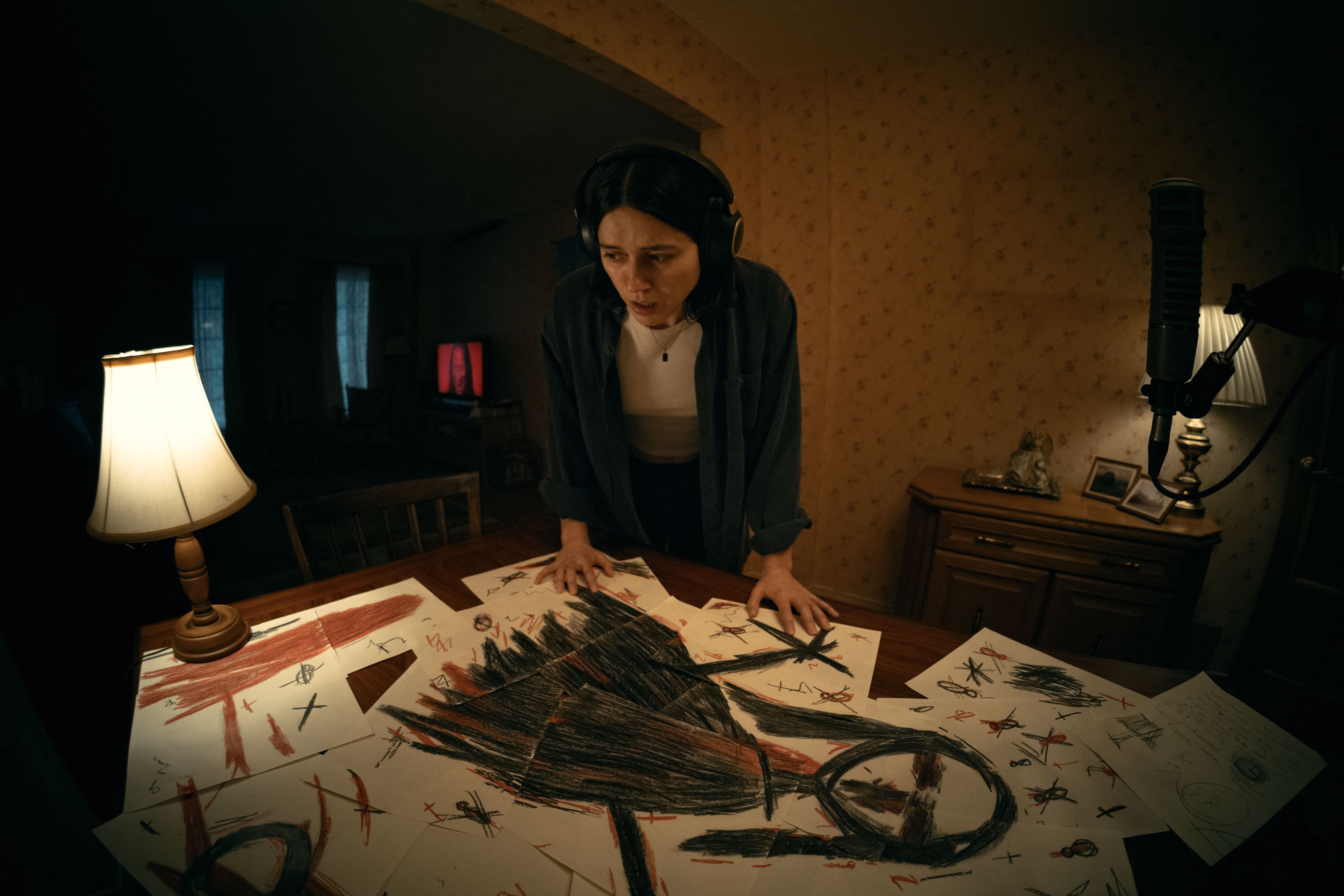
Now the crux of the film is that Justin has received 10 audio files from an anonymous sender and wants to review them for the podcast. These files center on a couple named Jessa and Mike, who are recording themselves while they sleep so Mike can prove that Jessa talks in her sleep. We, and the hosts, listen as things get progressively weirder and scarier file by file: kids’ nursery rhymes playing backward, Jessa speaking in Demonese, evil cackles, babies crying when no babies live in the house, banging on walls, the best-of horror elements in full effect. And as Evy is listening through her top-of-the-line headphones, the recorded sounds start to bleed into her reality, unmooring our poor sleep-deprived protagonist.
In a nod to Paranormal Activity, one of the director’s inspirations, the static camera rests on Evy sitting in the dining room, the only lit space in the house, lulling us into a trance over tight shots of her face and eyes and wide-angle shots from the living room. We’re watching something watch Evy.
As those creepy sounds escalate, Evy shoots nervous glances over into the dark living room, and the camera slowly follows her gaze, dragging us inch by creepy inch into the liminal spaces of the staircase and the shadowy hallway.
“We wanted to light the upstairs of the home in a cold manner, suggesting hospital lighting, while making the downstairs feel warmer and more nurturing,” Tuason says. “As the light fades, and the audio files reveal their secrets, malevolence creeps in. It’s not certain what’s lingering in that shadowy corner behind Evy and the glow of her laptop, but something is there. “
And when the camera begins its slow pan over to the shadows, you begin coiling in your seat, priming yourself to see a ghost or a possessed mother, as statues and portraits of religious icons glare down from the walls.
This is where undertone is at its best, when it’s edging the hell out of the viewer.
“Sometimes the most terrifying thing of all is our imagination, and what we project onto something that may or may not be there,” Tuason explains. “This is a found audio movie and a soundscape above all else. I created a sound design for this story where everything is directional — like Evy listening to the audio files, the audience can close their eyes and feel where everything is — or might be. When something far away is suddenly getting closer behind you, the terror becomes heightened and amplified.”

Because it’s a slow-burn, micro-budget horror set in one location and relies on immersive sound design, it makes sense to tell a more straightforward story, but simple doesn’t mean bland.
Evy has some serious religious trauma and believes she “killed” her mother when she stopped praying with her. (The mom’s coma also serves as a type of silent treatment, and despite a health worker saying the catatonic state is normal at this stage of a terminal illness, Evy is convinced that she can shake her mom out of it by being an attentive caregiver.) But we only get the smallest glimpses into their complicated relationship. More backstory could’ve been peppered in to flesh things out more through phone calls or even videotapes from the past.
Early on, we find out that she’s six weeks pregnant after a quick call from a doctor, a while after going into a clinic. Now I know a doctor would never call you personally to tell you the results in the United States, but maybe Toronto’s healthcare system works differently? Also, do at-home pregnancy tests not exist in the undertone-verse? Or was there no call, and we are witnessing Evy’s mental collapse under the grief and guilt she’s experiencing? She’s on the fence about being a mother: at one point, she names her future child. At another, she vocalizes not feeling capable of motherhood. More backstory would help sell these moments harder.
Soon, Evy begins hitting the bottle again to deal with her stress. There is a reading of the film that edges into pro-life territory, as everything that follows appears to be making her pay for the sins she has yet to repent for.
I’m not sure I buy her skepticism. She’s fearful of what’s happening during recording, but we never get a sense of whether she’s genuinely skeptical or afraid to believe. If she’s meant to be the skeptic, lean into it — show her doubt and rationalizing. If she believes but doesn’t want to, make that tension clearer. Right now, the ambiguity weakens the buildup, even though the film nails that atmosphere and tension.
I was shocked to learn that undertone was made by a first-time director on a micro-budget. Unlike Skinnamarink, another inventive and divisive found footage horror from last year, this movie has a pretty standard construction. But it works more as an experience or a form of immersive theater than a typical slasher or demonic possession movie. It seems like the optimal way to experience it is in a controlled environment, with no distractions, because it demands your undivided attention for the final 20 minutes to work. How does this play on streaming, through a laptop or a standard TV without a sound bar? Does that even matter?
I don’t know. But I plan on going back to the theater to rewatch the film, so I can see the details that I missed last time, which seems like a win to me.
What I do know is that this micro-budget horror film is expected to take in almost $10 million this weekend, and that is a triumph that will be studied and hopefully replicated in the years to come.
I’m happy this movie exists and that it is polarizing. Real horror fans will revel in what Ian Tuason has accomplished, and the non-horror fans drawn in by marketing will create the kind of online commotion that sends more people flocking to theaters. Is the movie overhyped? The answer to that question depends on the type of horror fan you are.
Whether it’s The Blair Witch Project, Paranormal Activity, Cabin in the Woods or Barbarian, horror constantly reinvents itself because what scares us is always shifting. As the traditional Hollywood studio system continues to break down and a new ecosystem of non-dependent filmmakers emerges, undertone could offer a blueprint for what they can achieve.
 Danger Bowie
Leave a comment